
Hoxha: Low expectations for the meeting in Brussels; Ohrid Agreement has not borne fruit
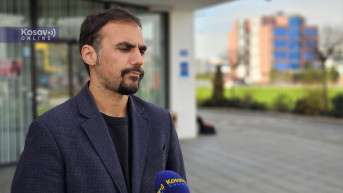
Political analyst Leart Hoxha assessed for Kosovo Online, on the anniversary of the Ohrid Agreement, that besides the fact that the agreement had not borne fruit, Pristina and Belgrade were no closer to Brussels, Washington, or European institutions. He also added that he didn’t have high expectations for tomorrow's continuation of dialogue in Brussels.
"Now it's already the anniversary of the Ohrid annex, and very little has been implemented on the ground, so expectations for tomorrow are not very high either. I think if there is political will, then leaders would have a meeting, and then they would work on bigger issues than this one with the dinar, this issue is of the last few days, it's the next in a series of complications in the process of implementing what has been agreed upon. So, nothing big is expected, maybe some transitional solution, but even if such a solution, or some more concrete proposal, is reached, it will still take some time, so even if we have an agreed proposal from both sides, that will at least mean another 60 or 90 days of an adaptation period. If there's an agreement - great, but expectations are low," Hoxha emphasized.
Speaking about the Ohrid Annex, Hoxha emphasized that the situation on the ground was poor and the agreement had not borne fruit. He mentioned that Serbia was blamed for the events in Banjska, while Kosovo was under sanctions.
"The good thing is that we have a new agreement, and it's not about blaming one side for not implementing on the ground what they have been agreeing on for years, since 2011 and onwards. The bad thing is that not only has that agreement not borne fruit, but the situation on the ground is worse. We had an attack in Banjska, or an intrusion, depending on how you look at it, and there are still discussions about who is to blame for that situation and why Serbia hasn't been punished by the international community for it. Also, from the Kosovo side, Kosovo is under EU measures, so I think that besides not much being done to bring Pristina and Belgrade closer, what is even more concerning is that neither Pristina nor Belgrade are now closer to Brussels, Washington, or European institutions. Serbia is seen as a country that refuses to implement sanctions against Russia, which sponsors the attack or intrusion, and Kosovo is a country whose leaders refuse to implement what they have agreed upon and that's why it's under sanctions," Hoxha said.
Hoxha claims that the fact that the Ohrid Agreement was not signed suits both Serbian President Aleksandar Vucic and Kosovo Prime Minister Albin Kurti.
"All international actors claim that the fact it wasn't signed doesn't mean that the Brussels and Ohrid agreements are not valid. If Washington and Brussels consider it valid, then it is a valid agreement. If the EU agenda includes policies of enlargement and implementation of those policies, the whole policy towards the Western Balkans, this serves as an excuse for Vucic and Kurti, but it's certainly not a reason not to work on the ground and implement what has been agreed upon," Hoxha concluded.



comments