
Maloku: "Bulgarization" of Gorans due to political circumstances is absurd and undemocratic
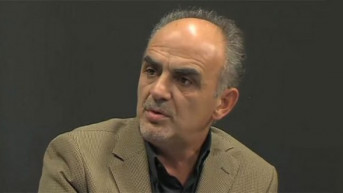
Sociologist and professor at the University of Pristina, Fadil Maloku, commented on Bulgaria's aspirations to assimilate Gorans in Kosovo and to include the Bulgarian community in the Constitution as a national minority. He told Kosovo Online that the Bulgarian government lacked arguments for such demands, and he said that the attempt to claim Gorans was an undemocratic act.
"Given that Gorans, as a distinct ethnic group, still face issues regarding their ethnic identification, especially national and cultural identification, the purpose and insistence that they now exclusively identify as Bulgarians due to other political circumstances is absurd and undemocratic. It is absurd because they have elements of their religious identity and specificities regarding culture, language, and even collective heritage," Maloku says.
He emphasizes that it is unnecessary to insist on marginalizing these very sensitive issues.
"Nowadays in Kosovo, all citizens, of all ethnic and cultural identities, have the right to travel, educate themselves, and work outside of Kosovo. But they also have the right to avail themselves of benefits such as Bulgarian passports because, as is known, Bulgaria has long been a member of the European Union, and citizens have the right to identify themselves however they feel. Insisting now that these very sensitive issues be marginalized is unnecessary," Maloku said.
The reason why Gorani people are interested in "bulgarization," Maloku explains, should be sought in their "weak collective ethnic identity."
"In my sociological conviction, it should also be sought in the corpus of realizing individual demands for a better life and decent work for oneself and one's family. Thus, these individual demands in the time in which we live are stronger than other elements that characterize, for example, ethnic, religious, or cultural identity. So, Bulgaria's demands, in this case, only accelerate this process of individual demands among Gorans because they do not have a firmly established ethnic identity like other ethnic groups freely living in Kosovo," Maloku concluded.


0 comments