
Miskeljin: Commitment to dialogue is a condition for receiving funds from the Growth Plan
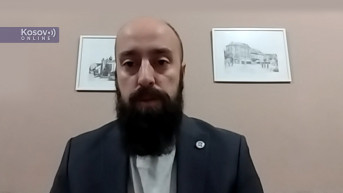
The messages from Ursula von der Leyen during her visit to the region will vary depending on the countries she visits, and in the case of Serbia, the main topic of discussion will be the dialogue with Pristina, says Marko Miskeljin from the Center for Social Stability for Kosovo Online. He adds that both Belgrade and Pristina can count on funds from the Growth Plan only if they are truly committed to the dialogue.
He believes that, in the current state of the dialogue, the pressure is not so much on Serbia, although that doesn't mean it doesn't exist. Rather, he says, the other side must be pressed if there is indeed a will to achieve some results.
"From that perspective, we shouldn't expect too many harsh messages during this visit, but we also shouldn't be surprised if we hear the same 'both sides' messages again, which are starting to sound somewhat ridiculous when we know what's at stake," Miskeljin said.
He emphasizes that the conditions for receiving funds from the Growth Plan and the demands in the dialogue are partially different issues, but they are also somewhat interconnected.
"If we are talking specifically about the funds planned for the growth of the entire region, both Belgrade and Pristina can count on this money only if they are truly committed to the dialogue. Again, the ball is primarily in Pristina's court, where there needs to be a demonstrated willingness for dialogue and a genuine desire to access these funds. On the other hand, Serbia cannot be blamed for anything when it comes to the dialogue or the approach to the topic itself, which is confirmed by the fact that Serbia will soon access the first tranche of funds, which cannot be said for the Pristina administration," Miskeljin concluded.
He points out that the sanctions against Kosovo are indeed an obstacle to receiving funds from the Growth Plan.
"We have seen threats regarding the Berlin Process, where the Pristina administration was told they wouldn't receive an invitation, or that their participation would be denied, and this ultimately had an effect, as Serbian goods finally started entering our southern province," he observes.
However, in his words, this is progressing very slowly, indicating a lack of seriousness.
"This was not really done for the sake of dialogue, progress, or primarily for improving and normalizing the lives of people in Kosovo and Metohija, especially the Serbs. The main goal was to secure an invitation to that meeting, and after that, nothing concrete was done. Now, when we talk about funds, this is a lesson the EU is clearly learning from and does not want to see happen again. They want concrete results that will be sustained," Miskeljin concludes.


comments