
Pavkovic: The decline in living standards due to the political crisis in Kosovo will be felt the most by citizens
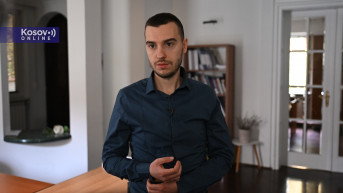
Director of Strategy at the Center for European Policies in Belgrade, Milos Pavkovic, stated that the political crisis in Kosovo is affecting foreign investments, the public sector, and the administration, while the greatest consequences are being felt by ordinary citizens.
Pavkovic emphasized that the most important question in Kosovo right now is whether the budget for the coming year will be adopted.
“The most vulnerable are ordinary citizens. Such a prolonged political crisis negatively affects foreign investment and foreign aid, which is one of the main sources of financing in Kosovo, but it will also affect the public sector and administration. There is also the issue of the budget, whether it will be adopted or not. If the budget is not adopted, state expenditures will be limited,” Pavkovic told Kosovo Online.
According to Pavkovic, citizens will feel the effects of the political crisis in Kosovo the most – through the economy.
“Above all, this will affect ordinary citizens, who will directly feel it through a decline in living standards, fewer jobs, potentially lower wages, and so on,” he said.
When asked whether Kosovo President Vjosa Osmani could propose to the Kosovo Assembly the adoption of the previous budget, Pavkovic stated that this could serve as a temporary solution until a new government is formed, but that she does not have the authority to do so.
“It could be a temporary solution, but it is highly questionable whether she has constitutional authority for such a move. This again becomes a matter for the Constitutional Court and whether someone would file a complaint with the Court, because the president simply does not have the authority to propose a budget. That is solely within the competence of the government. Again, the government has been operating in a caretaker capacity since February, with no real prospects of forming a new one by the end of the year, while the budget is supposed to be adopted by the end of November,” Pavkovic noted.



0 comments