
Radojkovic: Kurti’s new government will continue exerting pressure on Serbs through institutional channels
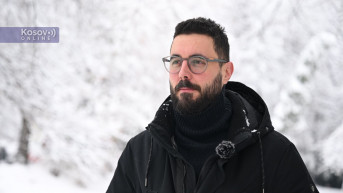
Historian Stefan Radojkovic believes that in Albin Kurti’s new term, pressure on Serbs in Kosovo will continue and that the central authorities will control every move of municipal assemblies and mayors in the north.
Based on experience from Kurti’s second term, Radojkovic says that more pressure can be expected, only that it will change form.
“This will not be in the sense of a campaign, but pressure on the Serbian community in Kosovo and Metohija, especially in the north, will continue through institutional channels, which he occasionally used even during all his election campaigns. There is a series of laws being prepared and that will be adopted, including the Law on Foreigners, regulations on vehicle authorizations... All of these are measures that will directly affect especially Serbs in the north, but also Serbs in Kosovo and Metohija in general, without much distinction,” Radojkovic told Kosovo Online.
He emphasizes that local authorities in the north are already so limited in their ability to act, something ensured by previous mayors.
“Budgets have already been reduced, and the Ministry of Local Government has set a number of precedents where it interferes in decisions that fall under the exclusive jurisdiction of local self-governments. The groundwork has already been laid, pressure already exists, and nothing additional needs to be done. They will essentially control every move of municipal assemblies and new mayors,” our interlocutor says.
As one example of possible pressure, he notes that it could happen that a local self-government tries to hire artists to repaint whitewashed murals or similar ones to those that previously existed in the north, but that the question is whether this would be possible, especially due to the presence of special police forces.
He also warns that pressures that acquire an institutional framework will be read in the West as the functioning of the institutions of the Pristina administration.
“That institutional framework will be sufficient for the West, especially in the European Union, to give it the form of legality and institutional action, so they will not see it as institutional violence, but simply as the functioning of the institutions of the Pristina administration,” Radojkovic points out.



0 comments