
Radojkovic: Self-Determination has no coalition potential or sufficient local support
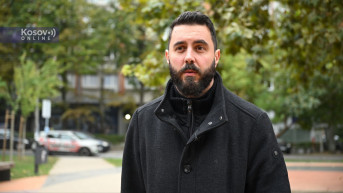
Historian Stefan Radojkovic emphasized that Albin Kurti, the leader of Self-Determination, has lost his coalition potential and that even after the local elections, there remains a stalemate in forming the Government of Kosovo.
According to Radojkovic, Kurti had expected that with the support of non-Serb minority communities, he would be able to secure enough deputies in the Kosovo Parliament to form a new government.
“The elections confirmed what we have known for some time, there is a deadlock, at least when it comes to votes within the Albanian community and the possibility of constituting a government in the Pristina administration. Albin Kurti and his Self-Determination have undoubtedly lost their coalition potential. He expected that he could, with some minority parties, secure enough votes to translate into the number of parliamentary seats,” Radojkovic told Kosovo Online.
He noted that the local elections showed Kurti still has considerable voter support, but not enough, and that the same applies to the opposition parties.
“It turned out that he enjoys significant support, but not sufficient support. It also became clear that the Albanian opposition parties have a considerable number of votes and that, in coalition with the Serb List, they could form a majority. However, given Kurti’s conduct, those bridges have been largely burned. What might once have been an opportunity for cooperation now barely exists, and the elections, as a kind of barometer, showed that clearly. For instance, in South Mitrovica, where Kurti focused his campaign, even resorting to harassing Serbs, the Democratic Party of Kosovo (PDK) is in the lead, although final results are still pending,” he added.
According to him, the lack of coalition potential is the reason why it failed to achieve stronger results at the local level.
“Self-Determination won Podujevo and Gjilane, which are some larger municipalities, but in Pristina, Prizren, and South Mitrovica, the situation is unfavorable. They do have significant support there, but since they lack coalition potential, they also don’t have enough backing to form local governments on their own,” Radojkovic concluded.



0 comments