
Radojkovic: Rasic’s election does not reflect the will of the people; we will see Constitutional Court’s reaction
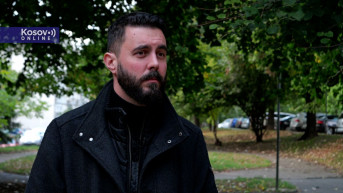
Historian Stefan Radojkovic told Kosovo Online that the election of Nenad Rasic as Deputy Speaker of the Kosovo Assembly representing the Serbian community represents an “ikebanization” of the political process, democracy, and representative institutions, and does not reflect the will of the citizens.
Radojkovic emphasized that it remains to be seen what the reaction of the Constitutional Court of Kosovo will be.
“This practice introduced by Kurti is not new among the Albanian community when it comes to their attitude toward the Serbian community. Even before the ‘Return’ coalition, there was already a pattern of identifying individuals who lack genuine electoral support among Serbs—or if they do have any, it is usually very modest, like Mr. Rasic, who did win one parliamentary seat,” Radojkovic said.
He explained that the entire performance in the Assembly today was aimed at creating the appearance that the Pristina institutions are multiethnic and that Serbs are represented within them, even though, in essence, the votes of the Serbian people are not represented.
“It often happened in previous governments, which were not Self-Determination governments, that certain officials received votes from Serbs in central Serbia. What we see now is just another pale performance intended to formally comply with certain procedures, but it lacks substance. The will of the citizens has not been achieved, and they are not genuinely represented in the Pristina parliament,” the historian stated.
When asked whether the appeal to the Constitutional Court, announced by the Serb List, could delay the start of the deadline for forming a new government, Radojkovic said it is possible for a government to be constituted if there is strong pressure from the international community.
“Regarding the legal relationship between the Constitutional Court and the parliament, I am not sure whether there will be any significant delay. However, if there is strong pressure from the international community—primarily from Pristina’s Western partners—to form some kind of government, then that will happen, since some formal constitutional prerequisites for establishing the Assembly, and subsequently the government, have already been met,” he noted.
Nevertheless, he underlined that everything depends on the outcome of the local elections on October 12 in Kosovo.
“All this remains uncertain, as we will see the results of these local municipal elections in Kosovo and Metohija. It will probably then become clear whether early parliamentary elections will be called—in which case, there might be no need to form a new government at all, as the focus would likely shift to new snap election campaigns in Kosovo and Metohija,” Radojkovic concluded.



comments