
Ristic: Dangerous attempts by diplomats in Pristina to present Serbian cultural heritage as Kosovar
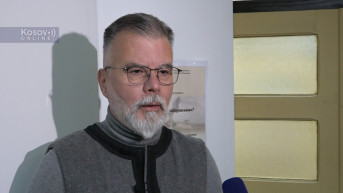
Historian Dejan Ristic, Director of the Museum of Genocide Victims, expresses concern over attempts to present Serbian cultural heritage as Kosovar, as these claims are unfounded in history and facts, fuel tensions, and disrupt the already fragile stability in Kosovo.
In response to the statement by the German Ambassador to Kosovo, Jorn Rohde, that the Visoki Decani Monastery is "Kosovar", Ristic says for Kosovo Online that career diplomats do not make such amateurish mistakes and that this is not about that but that there is a growing number of such claims from various diplomats, not only German but also French and others.
"There is a persistent effort to construct an anti-historical narrative that aims to transform the Kosovo and Metohija region historically, identity-wise, and in every other way from something that is a part of the state and national territory of the Republic of Serbia and the collective identity of the Serbs into something that will be the homeland of some prehistoric people, not Serbs but some ancient Albanian ethnic element in these areas. According to historical data, there were no such people in the region of today's Kosovo and Metohija, especially during the medieval period. These statements should concern all of us because they are the tip of the iceberg, as actions follow these statements. When someone makes such statements in public and not in a closed circle of people, it means that serious actions will follow, which can only harm the already complex situation in our southern province", Ristic says.
He believes that one should not be afraid of attempts to "Kosovarize" Serbian cultural heritage, but instead, one should be resolute against such claims. Ignorance and anti-historical narratives should be fought not with violence but with knowledge.
"We should fight with the knowledge that we will demonstrate in everyday life, transfer beyond our linguistic boundaries, translate as much as possible, and communicate with the international community, especially in the academic realm. We are not sufficiently aware that leading institutions in science, culture, art, and education in many democratic countries significantly influence the formation of public opinion and certain attitudes of their political elites. We have a lot of room to work, and many opportunities, despite numerous limitations and obstructions. It is up to us to be active, not passive. It is up to us to be at the table where discussions, negotiations, and dialogue take place, and not to be on the table, thus becoming the subject of various divisions and quarrels", Ristic emphasizes.
He points out that the defense against such attempts to reshape the truth should be thoughtful, and grounded in knowledge and facts.
"And then we will prevail. Not on the battlefield, as no one wishes for violence and suffering, but on this other, much more important field of preserving and affirming historical facts and the right of a people to continue living freely with members of other nations on the territory where they have lived for centuries, which is an integral part of the state integrity of Serbia", Ristic concludes.
0 comments