
Surlic: Hague judgment could be a strong argument for countries that have considered withdrawing recognition of Kosovo
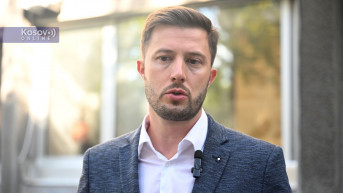
Stefan Surlic, Assistant Professor at the Faculty of Political Sciences in Belgrade, said that the chances were very slim that, because of the war crimes judgment against former KLA leaders, the leading European Union countries, together with the United States, would reconsider their recognition of Kosovo’s independence. However, he noted that if Serbia continued its campaign to secure withdrawals of recognition of Kosovo, the judgment could in the future become one of the stronger arguments for countries that had previously considered such a move and with which discussions on the issue had already taken place.
According to Surlic, the judgment undermines the idealized narrative that Kosovo Albanians have promoted until now—that Serbs were exclusively perpetrators and Albanians exclusively victims.
“This has now shed light on a much more objective picture of the war in Kosovo,” Surlic told Kosovo Online.
He added that, although the judgments were not sufficient to deliver justice for all victims of the KLA, they were highly significant symbolically because they changed the perception of the organization.
“At the same time, Belgrade is now in a more comfortable position when discussing the past and the Serb-Albanian conflict, because it can point to crimes that have only partially been punished and brought before justice. Of course, this is an argument because, although there was previously no argument at the level of international law, there was a moral dimension that was frequently emphasized, particularly by Western countries that were the most vocal supporters of Kosovo’s independence: ‘We have a moral obligation, because of the Albanian victims, to support Pristina.’ Now, whenever they invoke that argument, the obvious response is: ‘Where is the moral obligation toward the Serbian victims and toward the systemic discrimination that Serbs continue to experience to this day?’” Surlic said.
He said that the debate now taking place in Pristina reminded him of discussions surrounding the establishment of the Specialist Chambers, when the principal argument had been that such a court would harm the recognition campaign and the objective of Kosovo becoming fully internationally recognized.
“These judgments, particularly if they are upheld on appeal, represent a major problem for Pristina and a kind of burden, because they undermine an image that was built over many years and focused exclusively on Albanian victims. A much more objective approach must now emerge. Kurti and even those who oppose him are united in the view that this judgment must be overturned on appeal because they equate it with the concept of Kosovo’s independence and fear precisely the consequences—that many international actors will become more reserved toward Pristina’s demands and policies than they have been until now,” Surlic said.
He expects a campaign aimed at discrediting the Court’s decisions.
“I believe that what lies ahead is a serious lobbying campaign—a strategy by Pristina to discredit the decisions of this Court at all costs and to ensure, again at all costs, that the appellate judgment is substantially more lenient or overturns the first-instance judgment entirely. That is their only way out if they want to continue pursuing their current policy. Any other scenario would have certain consequences, primarily negative ones for them and for the idealized narrative that Kosovo’s independence was the product of a conflict in which only Albanians were victims,” Surlic said.



0 comments