
Vuletic: Every proposal unacceptable for Pristina unless it implies complete renunciation of the dinar use
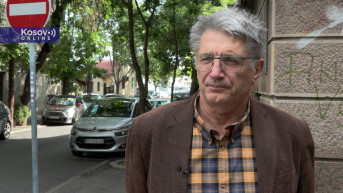
Sociologist Vladimir Vuletic assesses for Kosovo Online that yesterday's round of dialogue in Brussels is essentially no different from previous ones, except that now there is a clear inclination from Pristina's authorities to do nothing regarding the dinar issue.
Regarding the seventh round of dialogue held yesterday in Brussels, seeking a solution to Pristina's unilateral decision to abolish dinar transactions in Kosovo, Vuletic says that Pristina's ongoing refusal to take action on the dinar issue was deliberate and planned, and now, as he emphasizes, emotional injustice has been added.
"I don't have the impression that this round of dialogue was different; the only difference is the clear intention now to do nothing about it. From the very beginning, despite everyone knowing, there were certain mild comments and pressures suggesting that the matter should be postponed. However, when something is requested for postponement, it means you have the green light to do something, but perhaps it's not the right moment. The decision to expel the dinar from Kosovo's territory was never fundamentally questioned, and that's the real problem. There is little room for any compromise, and any proposal you put forward is unacceptable for the Pristina side unless it implies that you completely renounce the use of dinars," Vuletic says.
He adds that no matter how long these rounds of dialogue go on, there won't be progress until the Pristina side accepts considering the interests of Serbs who refuse to give up the dinar.
"It seems to me that all these rounds of dialogue are more of a kind of folklore until a political decision is made. It will be difficult to implement anything. It seems to me that now, after postponing or not putting the issue on the agenda, the frustration in Pristina is even greater, and everything they do afterward and the refusal to allow the Patriarch's visit to the Pec Patriarchate and everything else are further signs of frustration and a certain type of nervousness," he adds.
Vuletic emphasizes that the proposal of Special Envoy for Dialogue Miroslav Lajcak is a compromise.
"Lajcak's proposal is a kind of compromise, but the issue is that Belgrade is consistent in what Serbs in Kosovo want, and Pristina is consistent in wanting to ensure the complete functioning of a system across Kosovo's territory, which would in some way be a symbolic indicator that Kosovo is an independent state. Any transitional variant is unacceptable for them. But Lajcak's proposal is, in a way, a solution primarily aimed at satisfying his diplomatic ambitions before addressing the core dispute. This kind of 'bypass' solution can give him a sense of satisfaction that he offered some solution. However, both sides fear that this could be something the other side could use at a certain point. Both sides have enough experience, and none of them is saying they reject something outright, but fundamentally, it's not about acceptance," Vuletic says.
He adds that ultimately, Lajcak should have been the person using his diplomatic skills to ensure political solutions are implemented.
"The problem is we didn't have those solutions because it has been clear from the start that the strategy is 'Recognize Kosovo as an independent state, then we will negotiate technical details.' That's been the fundamental problem for the last four years and the reason why negotiations can't move an inch. The other reason is the rejection of the CSM as a framework for addressing technical issues. It was difficult for Lajcak to achieve anything without that kind of political solution. If we had the CSM, his job would have been much easier because many of the technical issues could have been resolved within that framework. Fundamentally, he didn't have the mandate or authority to deal with the most important political issues; his task was the implementation of something that was never agreed upon as a deal," Vuletic concludes.


0 comments