
Lepavcova: Serbia is the largest investor in North Macedonia, Albania invests in real estate
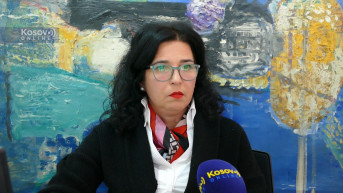
Biljana Lepavcova, Advisor for International Cooperation at the Council of Foreign Investors of the Chamber of Commerce of North Macedonia, states that in 2023, total foreign direct investments in the country amounted to 616.7 million euros, while in the first three months of 2024, they exceeded 800 million euros. The majority of investments come from Austria, with Serbia being the largest regional investor.
Lepavcova notes that the structure of foreign direct investments is dominated by equity capital and inflows due to reinvested profits. Regarding the origin of the capital, these are countries from the European Union.
"Austria is in the first place, followed by Germany, Greece, Turkey, and the Netherlands. These are the top five countries from which the capital originates," our interlocutor explains.
She explains that in recent years, there has been a "limbering up" regarding foreign direct investments across the region, generally as a result of the COVID crisis and the war in Ukraine.
"European countries have been looking for new, closer locations for their investments, and this process known as nearshoring actually represents a business strategy that involves relocating businesses to locations that will offer greater efficiency for their business operations, reducing transportation and other operational costs, avoiding logistic operations, language barriers, and different time zones," says the advisor for international cooperation from Skopje.
Thus, she explains, the Western Balkan countries have been the first choice for investors looking for favorable business destinations or locations for their next investments.
"This region of the Western Balkans offers advantages for foreign investors due to the proximity of European markets, relatively low operational costs, qualified workforce, young workforce, and so on. However, with the introduction of restrictions related to carbon emissions, there are opportunities for investing in renewable energy sources and building factories with a lower rate of gas emissions, thus practically the Western Balkan countries can contribute to the European Union's Green Deal," she points out.
Due to the crisis in Germany, she adds, investments from Germany in the region have significantly decreased or been redirected to other destinations, such as America.
"However, investments from Austria, which is a significant investment and trade partner in the region, remain, but generally, the number of announced greenfield investments worldwide is decreasing," says Lepavcova.
Analyzed by activities, 33 percent of total investments in North Macedonia are in manufacturing, and 22 percent are in financial and insurance activities. She also adds that in the past two years, there has been a noticeable trend of increasing investments in the energy sector in that country.
She emphasizes that traditionally, Serbia has been the largest investor in North Macedonia from the region, followed by Albania and Kosovo, while investments from Bosnia and Herzegovina and Montenegro are significantly smaller.
"With the fact that in 2023, for example, investments from Albania increased in value compared to previous years, and these are predominantly investments in the real estate sector," she notes. On the other hand, she mentions, North Macedonia also invests in the region.
"For example, Alkaloid has invested 104 million euros in the region over the past few years in the pharmaceutical industry sector, then IGM Trade has its investments in the region, specifically in Slovenia, but also in other countries from the region," Lepavcova explained.


0 comments