
Binjaku: Corruption and lack of optimism reduce the sense of happiness among citizens of Albania
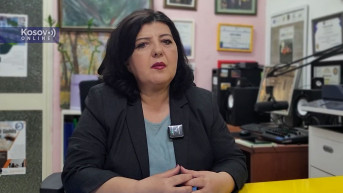
Entela Binjaku, Professor of Sociology at the Faculty of Social Sciences of the University of Tirana, believes that Albania ranks 86th on the list of the happiest countries primarily because citizens are dissatisfied with corruption, as well as due to declining optimism and uncertainty about the future.
She notes that although Albania has advanced by three places this year, it remains the lowest-ranked among all Western Balkan countries. Kosovo, she adds, is now ranked 16th, having previously been 29th, while North Macedonia, Bosnia and Herzegovina, Montenegro, and Serbia are all ranked ahead of Albania.
“I believe that the reasons why Albania is ranked so low, or why it may be considered less happy than other countries, are linked to factors such as the level of corruption. Citizens increasingly report being affected by corruption, which makes them less satisfied with life in our country,” Binjaku told Kosovo Online. She also serves as Executive Director of the “Harriet Martineau” Foundation.
She also points to a decline in social relations, that is, the quality of social life.
“In the past, social relations were a defining and important feature of Albania, but today citizens emphasize that this type of relationship has weakened. They see that it is becoming increasingly difficult to find someone they can rely on, someone who can help them in difficult times. The third reason is a decline in trust in the future, that is, a lack of optimism. Our citizens have shown that they are skeptical and quite uncertain about what to expect in the future. These are the three main factors that have influenced our country’s ranking,” the professor assesses.
She states that international organizations, particularly those with significant credibility such as Gallup, use clearly defined indicators to measure levels of happiness.
“In general, the questionnaires used in these studies take into account aspects of economic, cultural, and political life. Often, respondents express dissatisfaction with the economic situation, the level of services, uncertainty about the future, and provide opinions on developments in vital sectors such as healthcare, education, or innovation. Responses to these questions provide data on the main elements of life that affect their happiness. These include social relations, economic security, and political stability,” Binjaku explained.
She notes that Scandinavian countries, as well as the Netherlands, Belgium, and Luxembourg, rank higher than others due to the way they organize the lives of their citizens.
“These countries serve as an example to others. The way they function, how they organize economic, social, cultural, and political life, as well as how they uphold the rule of law and punish corruption, represents a lesson for others. Returning to our region, it is certainly difficult to increase the level of optimism among our people because the average age is rising, particularly in Albania. This level is approaching the average age of Europe, that is, Western countries. In almost all 11 districts of the country, with the exception of Tirana, the number of people over 65 exceeds the rest of the population. Therefore, this increase in average age across Albania also reflects, in a way, the difficulty of viewing the future with optimism,” Binjaku points out.
She believes that citizens’ responses are a message to the state leadership.
“Citizens express dissatisfaction with the level of corruption and uncertainty about the future, regardless of their age group. These are messages that politicians should interpret correctly. Is it difficult to be optimistic about the future? Certainly, it is. However, what most motivates a society like ours to have greater self-confidence and to be happier is precisely the path our country has chosen—the path of integration into the wider family of Western countries, where we believe we belong and to which we most strongly aspire,” Binjaku concluded.


0 comments