
Citizens of Gracanica and Pristina: Happiness lies in health and peace, reality differs from the public image
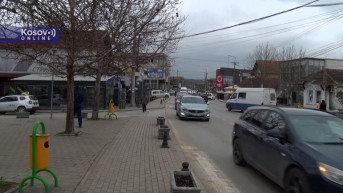
The fact that Kosovo ranks 16th on the list of the happiest places in the world is, for many citizens of Gracanica and Pristina, an unrealistic picture, as they say that the current economic and political situation has a negative impact on people. In a survey conducted by Kosovo Online, they are almost unanimous – happiness is primarily reflected in health, family, and peace.
“When a person is healthy, that is happiness for me. Everything depends on people. As people are, so is their happiness,” said an elderly resident of Gracanica.
For Iva Nicic, happiness is waking up healthy in the morning.
“For me, happiness is that I woke up this morning, and my family as well. Health is my priority, as is the health of those closest to me,” she said sincerely.
Zivka Savic says that, in addition to health, peace in the world is also necessary for happiness.
“Health, family, and children are happiness for me, as well as peace in the world. For some, finances affect happiness, for others they do not,” she says.
We can deceive ourselves
Responding to the statement that, according to an annual report measuring happiness globally, Kosovo ranks 16th on the list of the happiest places in the world, Savic says that this is not a realistic picture.
“I don’t think that is true, whether for us Serbs or Albanians… We all think the same. What kind of happiness is that when so many young people of Albanian nationality are leaving Kosovo, going abroad in search of a livelihood? I don’t see any happiness there. I don’t know who voted for that, but it is an unrealistic picture,” our interlocutor said.
She believes that both the political and economic situation affect citizens’ happiness.
“Especially the youth. Young men avoid getting married because they cannot afford it financially; children come, and everything needs to be provided, especially with the salaries in Kosovo—there is no chance… That is why young people are leaving. I read about it and was surprised. What happiness? You cannot see happiness, whether it is us Serbs or Albanians – everyone complains, we can only deceive ourselves. I think it was decided more for political reasons,” she is convinced.
Zika Marinkovic from Gracanica also believes that happiness is measured by the health of the family and the people, but that freedom is the most important.
“The health of families and the health of the people. Freedom is the most important; everything else is less important, and here in Kosovo we hardly have freedom. What kind of freedom is it if I cannot go to Pristina and feel comfortable, and I spent my whole life there? Freedom is irreplaceable,” said Marinkovic.
Happiness is measured by health and peace
Citizens in Pristina think similarly. They say that happiness is measured by health and peace. In a conversation with Kosovo Online, they say they would like the research placing Kosovo 16th in the world in terms of citizens’ happiness to be true, but that everything negative that is happening also affects the happiness of society.
“First health, then everything else. I think that the political and economic situation do not affect citizens’ happiness,” said one resident of Pristina.
Frok Neziraj believes that citizens should appreciate the fact that Kosovo is highly ranked on the list of the happiest places in the world, but also that the poor political and economic situation affects people’s lives.
“If the world has assessed that we are a happy people, then they are probably right. I am 80 years old and I do no harm to anyone, regardless of nationality. If others have assessed it that way, we must appreciate it. Everything bad affects citizens’ happiness. I am quite a happy man, I have four children and eight grandchildren,” Neziraj added.
Afrim Veseli believes that peace is key to happiness, which in Kosovo can be achieved through coexistence between Albanians, Serbs, and other communities.
“Let there be peace, let people live better, let there be harmony among people in our republic, among Albanians, Serbs, and everyone else. I would like the research to be accurate, but all these price increases, the economic crisis across the world, and here in Pristina as well, show that it is not quite so. Maybe it will be better,” Veseli concluded.

0 comments