
Blakaj: Trials in absentia have many shortcomings
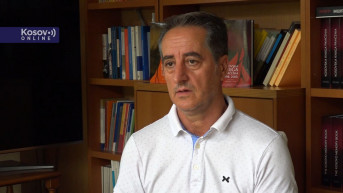
Bekim Blakaj from the Humanitarian Law Center stated that trials in absentia have many shortcomings and noted that, according to some international standards, they are permitted only in very specific cases and should by no means become the norm, as is currently happening in Kosovo, Kosova Press reports.
Blakaj emphasized that such trials can also be unjust, citing Croatia’s experience.
“Croatia has conducted trials in absentia for years, but many of those cases were later brought before the European Court of Human Rights in Strasbourg, which declared many of the convictions unlawful. It is very likely that, in the future, when Kosovo becomes a member of the Council of Europe, such cases could end up before that court, and those convictions may then be overturned,” Blakaj warned.
He pointed out that, perhaps initially, the victims’ families feel some sense of satisfaction when someone is convicted of a committed crime, but over time, he believes, that is not enough.
“Especially in cases where the convicted person tried in absentia is never arrested and does not serve a single day in prison. That then becomes a new kind of pain for the victims’ families. And in the best-case scenario, if someone who was convicted in absentia is later arrested, they automatically have the right to request a new trial. So the process starts over, and those same victims are called again to testify, which is an extremely painful process,” Blakaj concluded.

comments