
Shahini: Kosovo lacks long-term energy security strategy, electricity imports burden budget
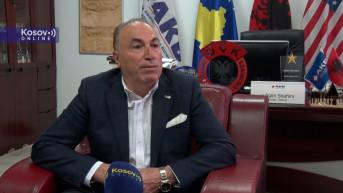
President of the Kosovo Business Alliance Agim Shahini says Kosovo still lacks a clear strategy for developing its energy sector, forcing it to spend substantial funds on electricity imports instead of directing them toward infrastructure and development projects. He warns that reliance on imports does not guarantee security of supply during the winter and believes that the energy sector is not free from political influence.
Kosovo continues to spend substantial amounts on electricity imports while failing to make sufficient use of its own generation potential and lagging behind in the development of new energy capacity, Shahini told Kosovo Online.
He believes that the lack of a clear plan and delays in implementing projects are placing an additional burden on the budget while also limiting opportunities for investment in other areas.
“We are still importing quite a lot, nearly €1 million worth of electricity a day, which is a great deal for our budget. We have considerable potential to generate our own electricity, but the Ministry of Economy is behind schedule with tenders and its energy sector development plan. We know that we do not have sufficient generation capacity,” Shahini said.
According to him, the money spent on purchasing electricity could instead be directed toward infrastructure and other development projects rather than placing an additional burden on the budget.
“We spend a great deal of money on electricity instead of investing it in infrastructure and other social sectors. The Kosovo Government wants to allocate as much money as possible to social assistance, but it does not pay enough attention to projects that would contribute to Kosovo’s development,” Shahini said.
He believes that the energy crisis remains unresolved and that Kosovo lacks a strategy that would provide a long-term solution to the problem. He sees the construction of a new thermal power plant as one possible option, but notes that launching such a project would now be very difficult.
“The crisis is still ongoing, and there is no strategy for resolving it. We can solve this only if we launch the construction of another thermal power plant, but that is very difficult now. We have to move toward alternative energy sources—solar, wind and hydropower. However, progress there is also very difficult. We still do not have a strategy for launching the projects we need,” Shahini said.
As an additional challenge, he cited obligations to increase the share of renewable energy sources, stressing that it remained unclear how Pristina intended to meet the targets that had been set.
“We also have European Union requirements for alternative energy to account for at least 20 percent by 2030. That is something we certainly have to meet. We do not know how the Government views this or how it intends to meet those obligations,” the President of the Kosovo Business Alliance said.
Speaking about the coming winter, Shahini warned that Kosovo could not consider its electricity supply secure as long as it remained dependent on imports.
“We can never be secure when we constantly have to look for somewhere to import electricity from. Imports are never secure because generation in other countries is not guaranteed. They sell when they have surpluses, but in some cases, when they do not, they either do not sell at all or sell at three times the price,” Shahini said.
He recalled that Kosovo also has a large foreign trade deficit, noting that imports of goods are expected to reach around €8 billion this year, while exports, according to his estimate, could amount to approximately €1 billion.
“That means almost €8 billion is leaving Kosovo to pay for imported goods. That money is difficult to earn, and it represents a substantial amount for Kosovo,” Shahini stressed.
Asked about political influence over the energy sector, Shahini said that such influence existed and pointed to the importance of companies operating in the sector.
“Of course there is. If we look at the ten largest companies in Kosovo, they include KESCO, KEK and the company I mentioned, NO Energy. These are three companies with significant operations in Kosovo,” he said.
He specifically addressed the controversy surrounding the company he identified as NO Energy, noting that allegations concerning its links to the authorities had been raised publicly and in the Kosovo Assembly.
“We have continuously seen demonstrations, protests and various allegations in the Kosovo Assembly that this company is connected to the Kosovo Government and that this is a political issue. However, we still do not have a concrete report on what MPs and citizens have been alleging, while the company continues to grow,” Shahini said.



0 comments