
KDI: Judicial reform in Kosovo – more procedural progress than concrete results
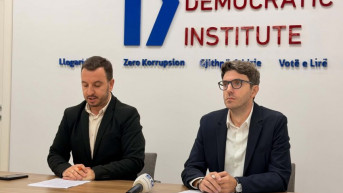
Kosovo recorded more procedural progress than concrete results in judicial reform during the period from January to June this year, as no draft laws from the judicial reform package had been adopted by June 30, according to the Kosovo Democratic Institute.
During the presentation of the monitoring findings, Vullnet Bugaqku said that the Draft Law on the Bureau for Verification and Confiscation of Unjustified Assets had passed only its first reading, while the process of vetting judicial officeholders had produced no concrete results.
“During this period, judicial reform saw more procedural progress than concrete results. By June 30, none of the draft laws in the judicial reform package, meaning the draft laws arising from initiatives and obligations under the judicial reform package, had been adopted. Regarding the Draft Law on the Bureau for Verification and Confiscation of Unjustified Assets, the report points to shortcomings in the transparency of the process. Although public consultations were held, the Ministry did not explain the recommendations, comments, objections and suggestions submitted during these processes, or clarify why they were rejected or why the recommendations of civil society and relevant institutions were not accepted,” Bugaqku said, Klan Kosova reported.
He also stressed the importance of implementing the recommendations of the Venice Commission, which, according to him, are intended to strengthen the integrity and independence of the judiciary, prevent the politicization of appointments to judicial institutions and avoid blockages in their functioning.
He added that the report had found no clear evidence that the draft laws had been prepared under political influence, but pointed to structural risks that make stronger safeguards against political interference necessary.
Florent Spahija spoke about changes in the composition of the Kosovo Prosecutorial Council (KPC), the difficulties encountered during the implementation of the reform and the financial costs it entails.
He noted that the Kosovo Prosecutorial Council, which had 30 members a year ago, now has only seven.
He also said that the reduction in the number of representatives and the way in which the Assembly elects certain members had raised concerns about possible political influence.
“The fact that they are elected by the Assembly has created the impression that some degree of political influence could occur. Nevertheless, the new law provides for mechanisms that can prevent political influence in such cases,” Spahija said.
He also pointed to initial difficulties in the work of the KPC, including meetings being cancelled due to a lack of quorum and court challenges to the election of prosecutors as Council members.
“This means that the problems that arose or resulted from judicial reform have not always been easy to resolve, because we had no plan for how to address them or what we should do two days after the judicial reform began to be implemented,” Spahija said.
He also raised the issue of the financial costs of the reform, noting that, according to the Institute's analysis, establishing the Bureau for Verification and Confiscation of Unjustified Assets alone would require at least 1.2 million euros, not including other costs.



0 comments