
Macedonians find happiness in “small things”, psychologist Dimova warns: We are too self-focused
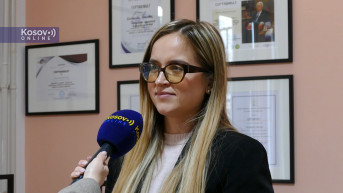
Psychologist from Skopje, Katerina Dimova, assesses that citizens of North Macedonia are predominantly focused on individual goals rather than building relationships with those close to them, which is why the country ranks 82nd on Gallup’s list of the happiest nations in the world. At the same time, citizens of Skopje emphasize that happiness is reflected in health, family, and the small things that surround them every day.
“From the moment I wake up until the evening, I try to enjoy the day through small, beautiful things,” said one resident of Skopje in a survey for Kosovo Online.
When asked whether other people around her are happy, she says she does not know, but that whether someone is satisfied or not depends on the individual.
“There are simple people who know what they want, but there are also people who are not happy with anything. Even if they had a lot of money, they would not be happy. Happiness is in the mind,” she said.
Her fellow citizen believes that happiness lies in family and peace.
“Happiness is a positive thought. Despite all the negativity in this world, a person must find a way to move forward. Even though there are many setbacks in life, we should stand up and keep going,” he said.
An elderly woman says she finds joy in the health of her family and playing with her grandchildren.
“I rejoice in the health of my family, my sweet grandchildren, and playing with them as much as I can at my age. Peace in the world as well, because what we see now is not good. There is no bright future for our generation or for our grandchildren. It is important that we remain healthy,” she said.
Another resident of Skopje points out that the most important thing is for the family to be healthy.
“That fulfills us all and that is the most important thing. For us who are older, happiness has passed. However, it is important for the young to be happy and cheerful—that fulfills me. I think family is the most important,” he emphasized.
For another of her fellow citizens, health is the most important.
“It is important for me to be healthy. With these viruses lately, we older people are usually the ones who suffer, so I have one wish. I also enjoy when my family is happy—my children, my grandchildren—to watch them and take care of them, and that’s it,” he said.
Dimova: Return to relationships with people
However, psychologist Katerina Dimova emphasizes that one indicator of happiness is whether people are oriented toward the present or the future.
“One of the factors is certainly that we may be thinking more about what will happen in the future, that is, we plan and set goals on how to succeed—for example, what the next step is that we need to take—while we are not focused on the here and now. Perhaps we lack a sense of gratitude for what is happening to us at the moment, for the stage we are in, and whether we are able to feel joy in that moment,” Dimova told Kosovo Online.
As she explains, in order to achieve inner peace, it is important to slow down and return to relationships with people, something that Macedonians often lack.
“In practice, I have the impression that here in our region we are more oriented toward individuality rather than building close relationships. We are more focused on individuality than on relationships. Perhaps one of the reasons why neighboring countries are ranked higher is precisely that—they nurture those cultural aspects: time spent with family, with loved ones, support, and maintaining social contact. I am not sure that we cultivate this at a sufficiently high level in order to feel happiness or joy,” Dimova stated.
She assessed that happiness is not measured by what we have, but by how we relate to ourselves and to others—specifically in our relationships with our loved ones, friends, and family.
“Citizens generally assess their happiness based on personal experience, that is, their own sense of fulfillment, security, and safety. As a family-system therapist, I can say that happiness is not an individual factor, but most often depends on all the relationships we build with those close to us. On the other hand, global research at present shows that the factors used to measure happiness include economic stability, physical and mental health, a sense of belonging, and trust in institutions,” Dimova concluded.



0 comments