
Serbian products stock decreasing in the north, prices surged, citizens outraged
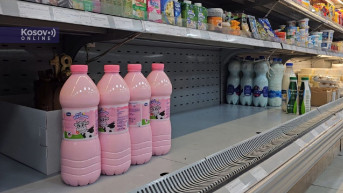
In stores in North Mitrovica, there is a lack of Serbian-produced flour and sugar, while in Leposavic, milk and dairy products, as well as alcoholic beverages from Serbia, are running low. Traders from these areas reported to Kosovo Online reporters that warehouses are slowly emptying due to the decision of the authorities in Pristina to halt the import of Serbian goods.
Instead of Serbian flour, shelves now display packages from Kosovo producers, and there's also a noticeable increase in products from North Macedonia compared to before.
In private pharmacies in Leposavic, some medications from Serbia are missing, mainly syrups for children.
"For a month now, we haven't had a healthy market, and the competitiveness of goods is impossible if you don't have them. Citizens are losing the most. If they have money but can't find what they want to buy, they are forced to purchase the replacements we offer, which are often substitutes for Serbian products. In the past, Serbs from the south came to North Mitrovica to buy Serbian products, which speaks volumes about the trust and quality of goods produced in Serbia," a trader in North Mitrovica says for Kosovo Online.
In another store in the city, we find slightly better supplies, especially of "Imlek" products, but they tell us that this is a temporary situation and that the stock is already running low.
"We restock from our local warehouses, and there's less and less merchandise available for us to order. For almost two months now, we haven't been able to get the products consumers want. This is nothing but the forced imposition of what people should consume," the store owner in the center of North Mitrovica says.
Citizens are reluctant to speak on camera about the issue, but they appear visibly frustrated.
"Poor-quality goods have replaced Serbian ones, and on top of that, prices have skyrocketed. Everything is more expensive, by 30, 40, and even 100 dinars per item. I don't know how long this will last, but I see that nobody intends to reason with Kurti. While foreigners promise us a better life, things are getting worse for us," a woman says, showing us a receipt.
"Look here, sour cream costs 300 dinars. It's the most expensive in the region," she adds.
In Leposavic, there's still enough merchandise on the shelves, but the traders report that warehouses are half-empty. Even newspapers from Belgrade are not arriving.
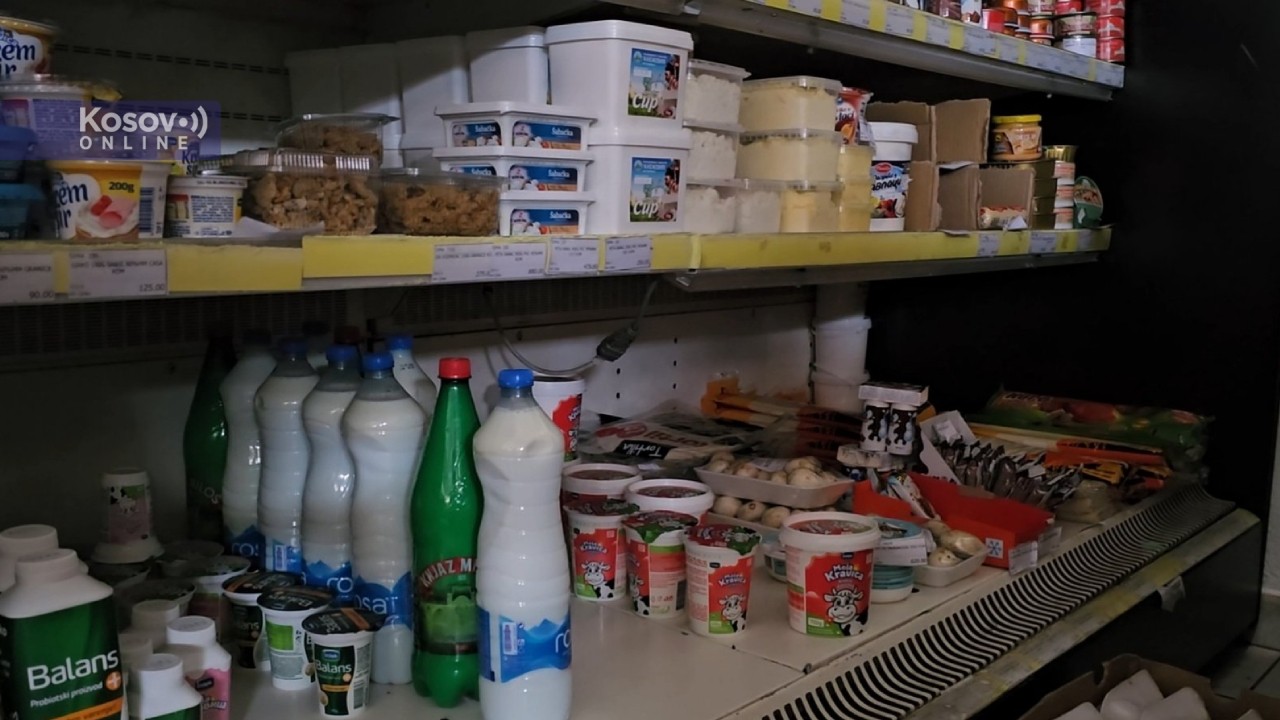
"Cigarettes are now 20 dinars more expensive than in Serbia per pack. Oil can be bought for 165 dinars per liter, but in some shops, it costs up to 180 dinars," a resident of Leposavic says, adding that people are worried because they cannot bring groceries from across the Jarinje crossing as they could before.
On June 14, the Government of Kosovo decided to ban the entry of goods from Serbia to Kosovo, the same day that the Serbian police arrested three members of the Kosovo Police on the territory of central Serbia. The ban was not officially announced but is still in effect today, even though Kosovo police officers were released from detention in Kraljevo on June 26, after the indictment was confirmed, and they returned to Kosovo on the same day.
According to the explanation of the Minister of Internal Affairs, Xhelal Svecla, the ban was introduced "for security reasons" and will be in effect until a new security assessment is made.
"Kosovo Customs continues to implement the government's decision on banning the import of goods produced in Serbia," the spokesperson for Kosovo Customs, Adriatik Stavileci, recently stated, specifying that they were obliged to follow government decisions.
He emphasizes that Customs, in cooperation with the police, is implementing the decision at the crossings.
At first, trucks with Serbian license plates were not allowed into Kosovo, regardless of the origin of the products they were transporting. Later, this decision was changed, and the ban on entering Kosovo now applies only to trucks carrying goods originating from Serbia.


0 comments