
Svetozar Basaric from Sevce: Still tending his goats at 72
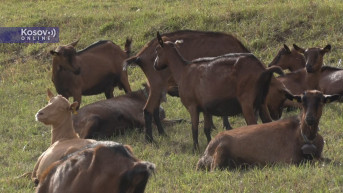
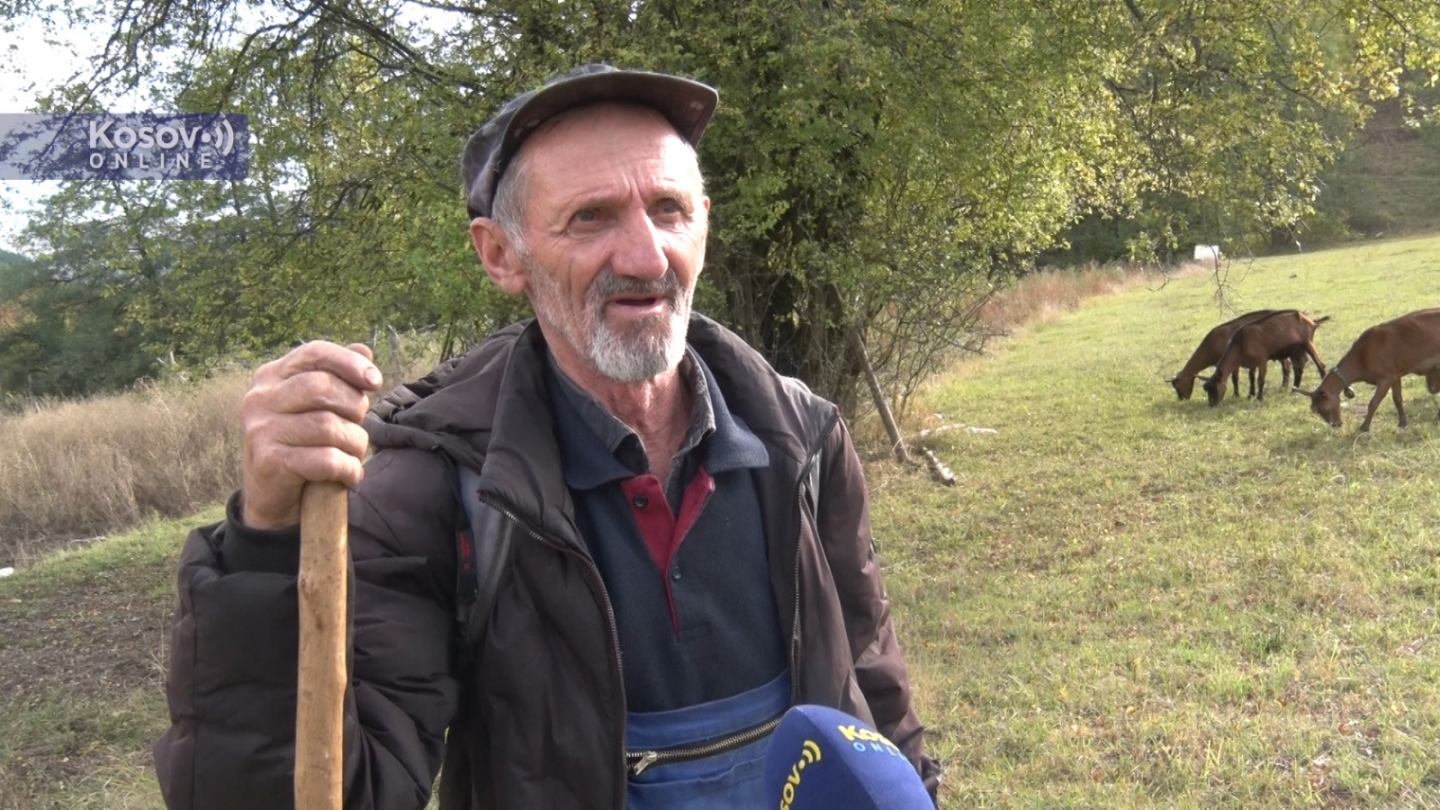
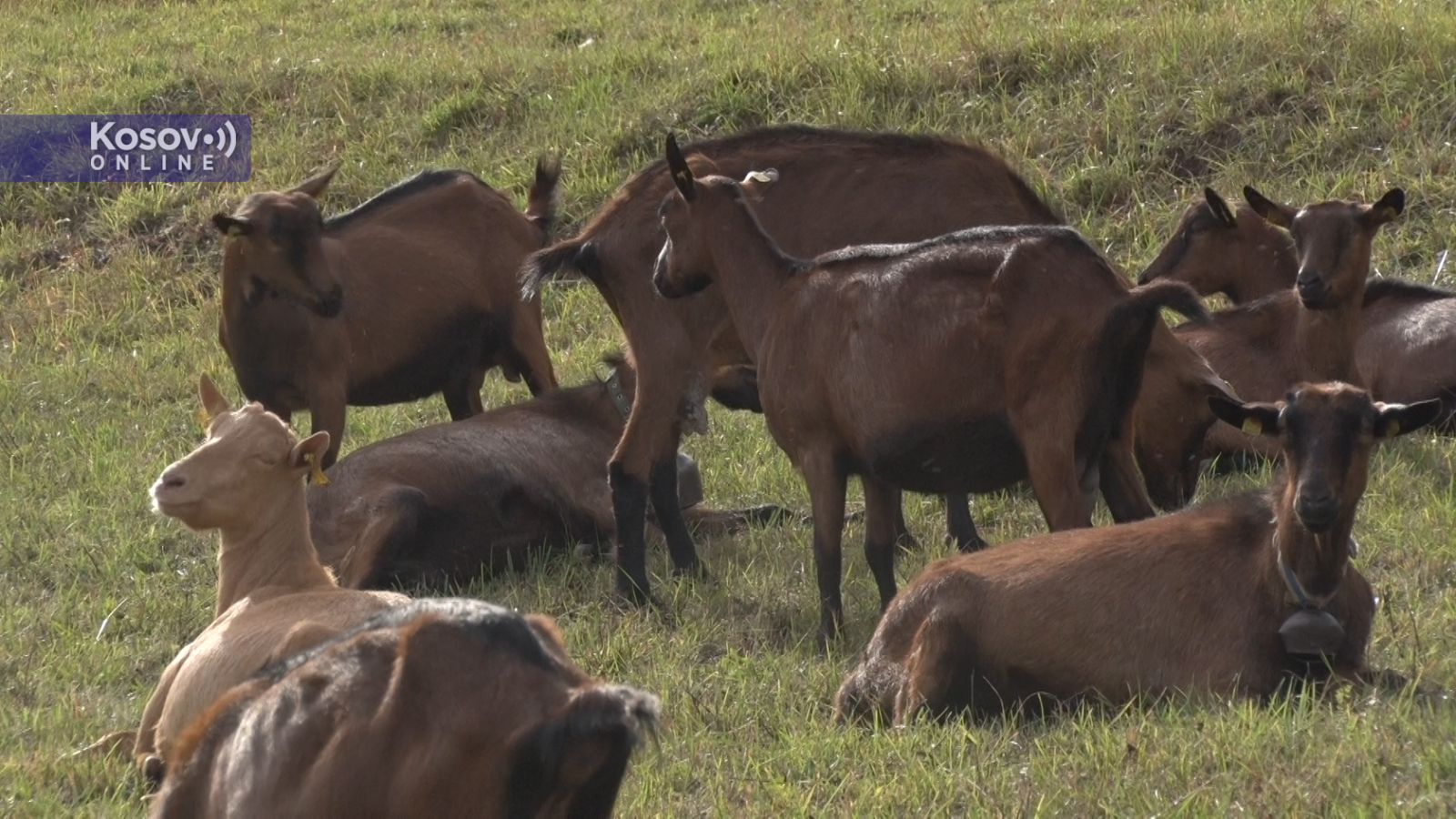
For Svetozar Basaric from Sevce, in the municipality of Strpce, every day begins and ends with his goats. He has been raising goats for 25 years and has built a herd of 50 from just a few animals. Although he is now 72, he still walks several kilometers every day taking his goats out to pasture and says he has no intention of giving up the work that brings him satisfaction.
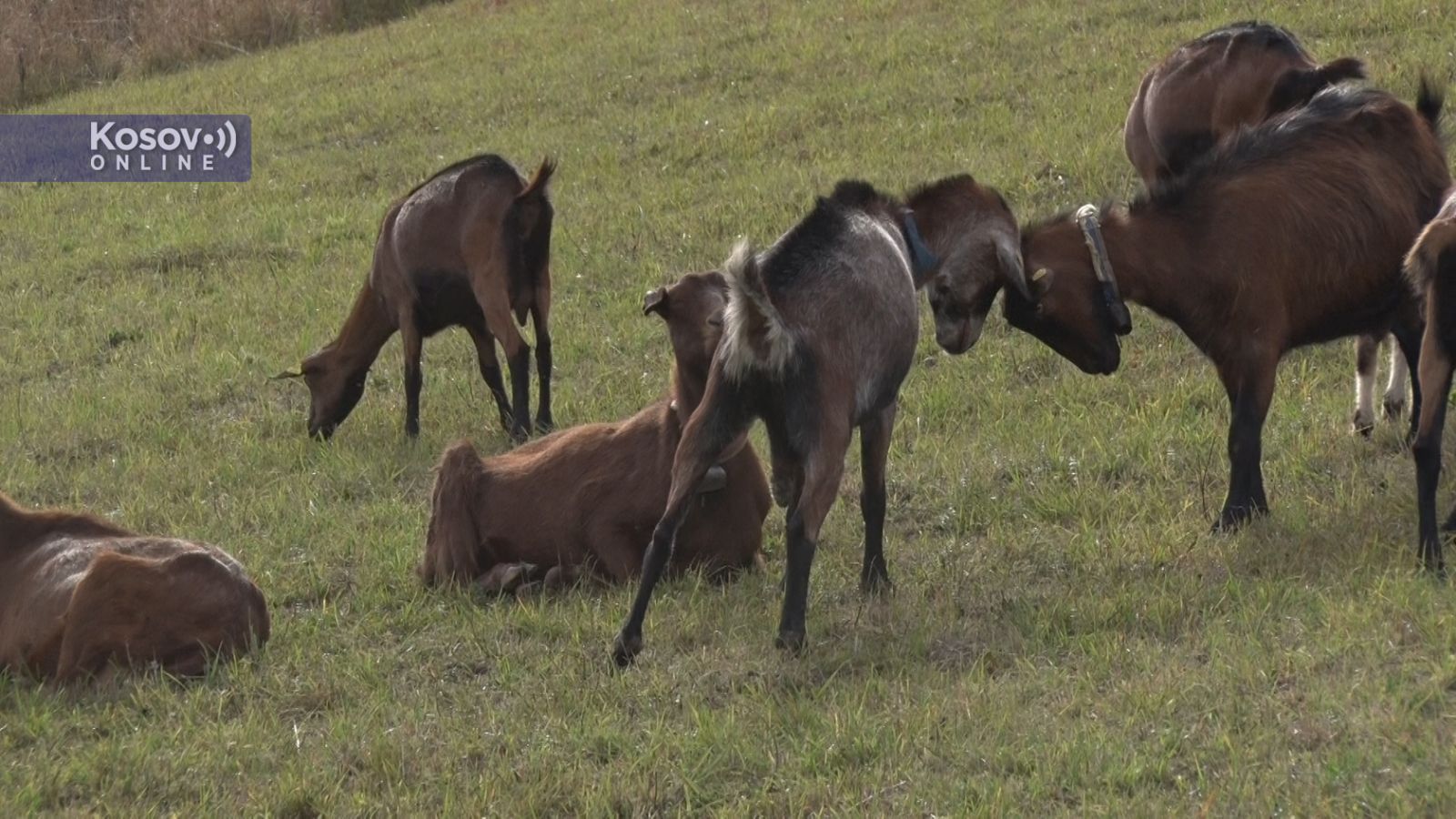
For the past several years, Basaric has been raising Alpine goats, which he says have proven to be very docile and good milk producers.
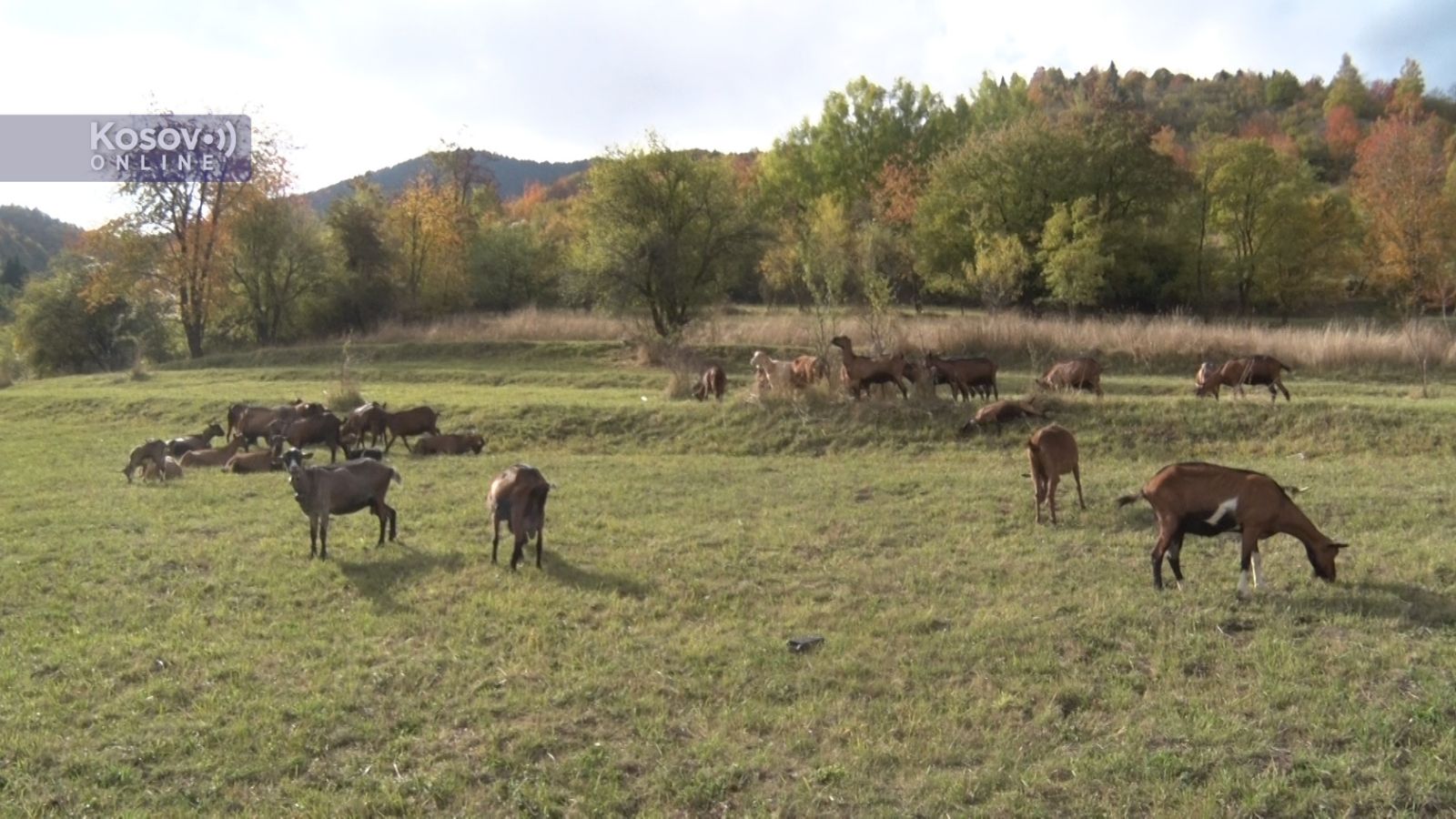
“I started by buying a few goats, then kept the young ones, and that is how I built up a herd of 50. This breed, the Alpine, produces more milk, and the goats are also calmer than the breeds I kept before. This summer, I bought 15 young goats brought in from France. They have proven to be very good—they are calm and produce plenty of milk,” Basaric said.
He points out that tending to the goats is a daily commitment, while on weekends he takes cheese and milk to Brezovica to sell.
“We start the morning with milking, then we warm the milk for making cheese, I have breakfast and take the goats out to pasture. I get home at six in the evening, then it is time for milking again and making cheese. And it is the same every day. On Saturdays and Sundays, I go to Brezovica to sell cheese. I can produce up to six kilograms of cheese a day. Some goats give a liter of milk a day, while others give less. I had trouble selling my products this summer. The older people who used to buy from me are no longer alive, while the younger ones are not as interested. In Brezovica, I knock on every door trying to sell a liter of milk or a kilogram of cheese. I also sell cheese in Prevalac,” Basaric said.
Basaric says selling milk is more profitable, but regrets that he does not have regular customers.
“To make one kilogram of cheese, I need ten liters of milk. I sell milk for two euros per liter, so if I sold those ten liters of milk, I would get 20 euros, while I get 10 euros for the cheese. I sell hard cheese for 15 euros because it has to dry for a month, then it is soaked and cleaned, and it needs another ten days to develop the right color. Most customers ask for fresh cheese because they find the hard cheese too strong,” Basaric explained.
He added that he walks around ten kilometers every day while taking the goats to pasture, something that is becoming increasingly demanding as he gets older.
“I walk five kilometers each way every day, which is a lot at my age. This is a major commitment, and it is every single day. You can leave other things aside, but not this. Summer or winter, there is always work to do. Snow may fall for several days, but as soon as it melts a little, I take them outside, which is not the case with cattle or sheep. I used very little hay last year because I was able to let them graze almost all year round. There is plenty of grazing land all around us. If I also had a guaranteed buyer for the milk, it would be excellent,” Basaric said.
Goat farming is the only source of income for Basaric and his son. Although the effort and hard work can never be fully compensated, they try to make the business financially viable and earn a living from it.
“I milk them by hand; I am used to it. I do some of the milking, my son does some, and we finish in half an hour. They have all been bred, and now we milk them only in the morning. We will continue like that for another month and then take a break. I keep 100 liters of milk in the freezer for myself, along with around 30 kilograms of hard cheese. I write down everything I sell in a notebook—how much milk, hard cheese, fresh cheese—and I have been doing that for 25 years. At the end of each year, I add everything up to see how much I have earned and whether it pays off. It comes to between €10,000 and €12,000 a year. That may not seem like much to some people, but this is the life I have chosen,” Basaric concluded.



0 comments