
Experts on EU report: Kosovo makes no significant progress
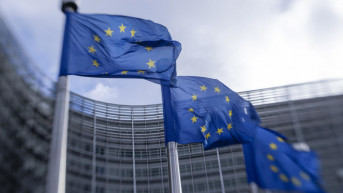
The prolonged political and institutional crisis in Kosovo is also reflected in the European Commission’s 2026 Report. According to experts on the European integration process, Kosovo has made no significant progress in most of the areas assessed by the European Union.
In the areas of the rule of law and the fight against corruption, they expect Kosovo to receive assessments indicating a lack of significant progress, while challenges in implementing reforms and strengthening mechanisms of institutional accountability remain evident. The experts also note that, based on the preliminary approach, the Kosovo Report is expected for the first time to include an assessment of the alignment of Kosovo’s foreign policy with that of the European Union.
Arberesha Loxha, a researcher at the Group for Legal and Political Studies, told KosovaPress that this year’s report was not expected to bring any substantive change in the assessment of Kosovo’s progress, given the political and institutional situation over the past several years.
She also pointed to the factors that had prevented reforms from moving forward and recommendations from previous European Commission reports from being implemented.
“We do not expect any substantive change compared with last year’s report. Even if we had not had a preliminary insight into the report, we still would not have expected Kosovo to have made significant progress in the areas assessed by the European Union in its country report. Kosovo is not expected to have made progress in the functioning of democratic institutions, given that it was in a prolonged political crisis and that the country’s political landscape was highly polarized. This, of course, prevented the institutions from implementing reforms and continuing to make progress in areas where Kosovo had launched reforms or where recommendations had arisen from previous reports,” she added.
Loxha said that the failure of the Assembly to function and the presence of caretaker governments had prevented progress on numerous reforms.
“For the first time, this report assesses the alignment, or convergence, of Kosovo’s foreign policy with that of the EU, although Kosovo had already been aligning itself with EU foreign policy even without being required to do so. This is now expected to become part of the country report. The report also assesses progress in the Kosovo-Serbia Dialogue, as well as the actions Kosovo has taken regarding the north and the Ibar Bridge,” Loxha said.
Political analyst Blerim Canaj believes that the lack of progress reflected in the Kosovo Report is not unexpected, given the state of Kosovo’s institutions over the past two years.
According to him, based on the published draft report, institutional dysfunction, a lack of accountability and ambiguity in the division of responsibilities prevented the authorities from addressing reforms and the country from making progress in various areas.
He believes that, under the existing political and institutional circumstances, expecting a substantially more positive assessment of Kosovo in this year’s report would have been unrealistic.
“In fact, we should not have expected anything else, because we all know that for more than two years we effectively had a dysfunctional state. We know what we were dealing with, and no one mentioned, or even had the opportunity to mention, any kind of progress. If we add to that the lack of clearly defined competences among certain officials, the chain of accountability was disrupted, and in that context it would have been difficult to expect anything different. It seems that during that period, taking control of institutions was considered more important than ensuring that the country made progress in any area. That is why we have this kind of report, which speaks of obstacles resulting from the absence of functioning institutions. What particularly caught my attention was that problems were identified regarding media freedom, freedom of expression and numerous other issues. It would have been unrealistic to expect anything more positive,” Canaj said.
Through its annual report, the European Commission assesses the implementation of reforms in areas including democracy, the rule of law, the functioning of institutions, fundamental rights, the economy, public administration and alignment with EU foreign policy. The assessment measures not only the progress achieved during the year but also each country’s overall level of preparedness for membership.
The European Commission’s 2026 Report is being published at a time when the EU enlargement process is gaining renewed momentum, while the Western Balkan countries continue to record varying levels of progress on their paths toward EU membership.
0 comments