
Vujinovic: Western Balkans not significantly threatened by terrorism, but isolated cases exist
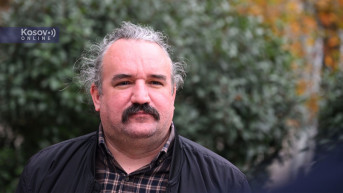
Security studies researcher Nikola Vujinovic told Kosovo Online that the region was not significantly threatened by terrorism, although, as he noted, a potential threat certainly existed.
Vujinovic recalled the recent arrest of members of an alleged Islamic State cell in North Macedonia.
“There are isolated cases of terrorism and radicalization under the influence of Islamist ideas, but so far we have not seen a more organized group or a more tightly connected cell. That is why I do not think there is any need to raise the alert level, because it seems to me that this is more a consequence of individual cases—what are known as ‘lone wolves’—than the activity of an organization,” Vujinovic said.
He stressed that the region was not a primary target for Islamist terrorists.
“They tend to cluster in parts of the region where Muslims make up the majority of the population. Vienna, Budapest and other European cities are much more attractive targets to them than countries in the Western Balkans. The reason is simple: a large number of Muslims live here, so there is concern that their activities could provoke retaliation against them and harm their fellow citizens.
“I would say that this is primarily a transit area, as well as an area for the mobilization and recruitment of various individuals, but, I fear, also a source of weapons and tactical knowledge. I recently saw that more than 100 weapons had gone missing in Djakovica. I fear that this is precisely where we should look for one of the sources of such activities, namely attempts by radical Islamists to obtain weapons,” Vujinovic said.
He noted that cooperation among police forces across the region was essential to preventing terrorist attacks.


comments