
Economists: Kosovo is the most underdeveloped economy in Europe
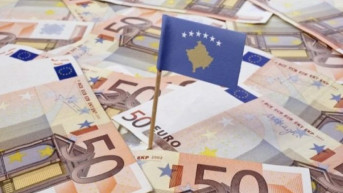
Despite the fact that the authorities in Pristina brag about reforms, the Sovereign Fund as the largest economic project, extraordinary cooperation with EU countries and the US, economic growth, new investments, and stabilization of business in the public sector, Kosovo experts say for Kosovo Online that Kosovo is the most underdeveloped economy in Europe and that the unemployment rate is higher only in Ukraine, where war has been raging for more than a year.
Low living standards, low wages, economic deficit, dysfunctional institutions, corruption, and young people who go to other countries in search of better opportunities are just some of the characteristics of the economic reality that experts and the opposition in Kosovo point to.
However, despite all the internal economic challenges in Kosovo, the assessment is that development and progress are mostly slowed down by the complex political relations with Serbia, and that "salvation lies" in the integration of the region through the Berlin process and the Open Balkan.
Branimir Jovanovic from the Vienna Institute for International Economic Studies tells Kosovo Online that the population in Kosovo is poor and that the income per capita is only 26 percent of the EU average.
"Kosovo is the most underdeveloped economy in Europe. The national income per capita is only 26 percent of the EU average, and that when corrected for price differences. In Albania, for example, the national income is 32 percent of the EU average, while in Serbia, 43 percent. The unemployment rate is 18 percent, and only Ukraine currently has higher unemployment. The poverty rate is 28 percent, which is significantly higher than Serbia and Albania, where it is around 22 percent," Jovanovic said.
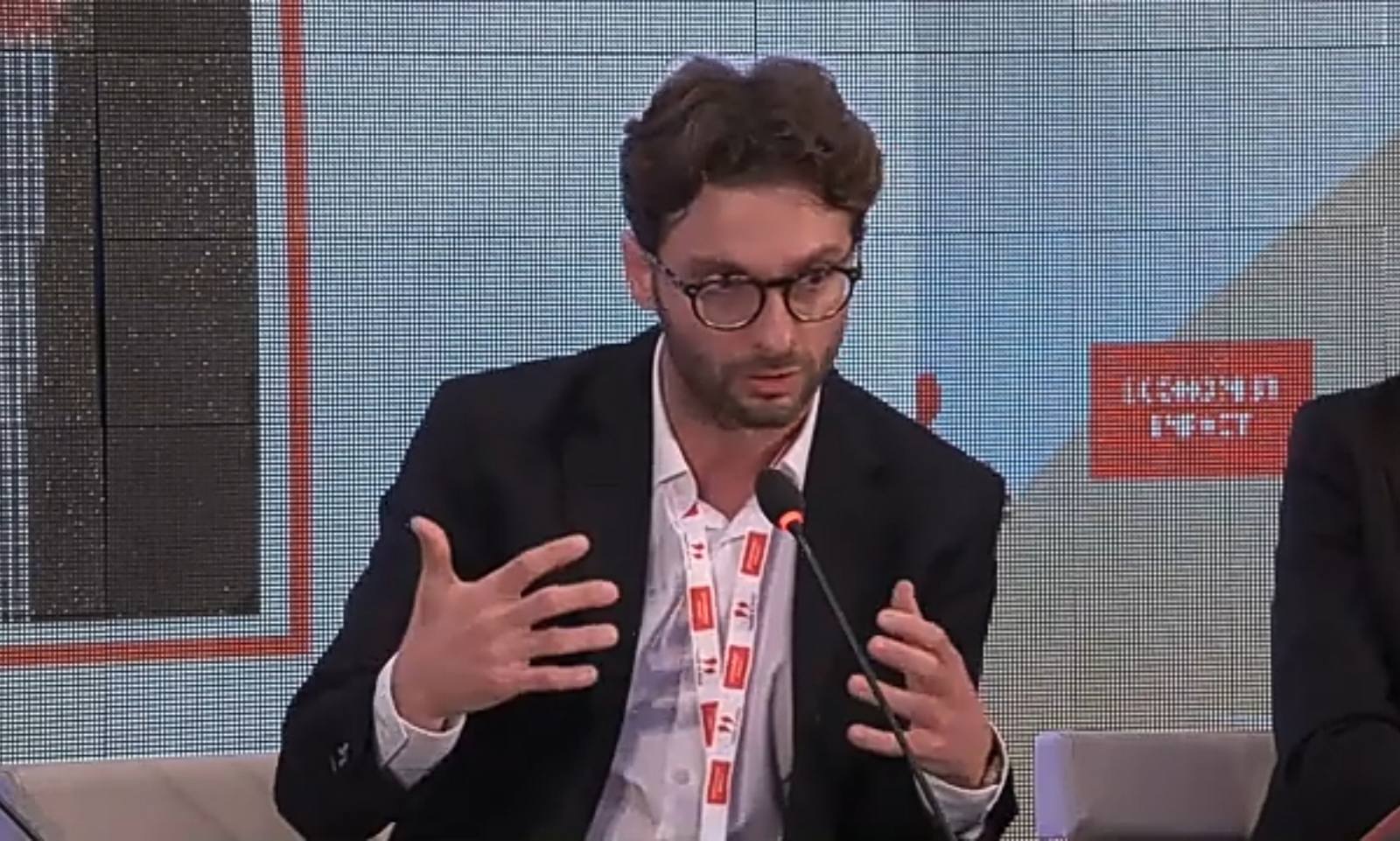
He considers it positive that the growth rate last year was relatively good - GDP grew by around 3.5 percent, which was among the highest rates in all of Europe, and a similar is expected for 2023.
However, he clarifies that this should not be surprising considering that, as he says, less developed countries usually have higher growth rates.
Jovanovic says that the long-term perspectives in Kosovo can be positive because the population is quite young, the youngest in all of Europe, but that such forecasts are disturbed by a lot of structural problems such as dysfunctional institutions, corruption, and emigration.
According to Jovanovic, economic progress is slowed down the most by complex political relations.
"I would say that the biggest problem is nationalism, that is, that the political elites, on both sides, ignore these real problems, and instead serve nationalism to people. It is a well-known story in the Balkans - if they have nothing to eat, give them nationalism. The economic reality in Kosovo is that both the Serbs and Albanians are, in fact, first and foremost poor. And until it is understood that this is the biggest problem, there will be no progress," Jovanovic said.
He points out that the solution to economic problems lies in regional cooperation and initiatives and, as he says, all economists agree on that, but they do not agree on "how to achieve regional economic cooperation".
"Some believe that this should be achieved through the Berlin Process and similar initiatives, which come from the EU and have existed for many years. Others believe that it is better to have regional initiatives, such as the Open Balkan, due to the EU's ambivalent attitude towards the region. I personally believe that both are necessary so that the Berlin Process and the Open Balkan are not mutually exclusive," Jovanovic said.
The Open Balkan, he assesses, has something that the Berlin Process does not have, which is that it originates from the region, which is why it is much more accepted by both politicians and the population, at least in those countries that are part of it.
On the other hand, says Jovanovic, the Berlin process also has something that the Open Balkan does not have, which is that it is wider and includes more areas.
"That's why they should not be seen as rival initiatives, but as complementary ones. That's why I believe that Kosovo, just like Montenegro and Bosnia and Herzegovina, should join the Open Balkan as soon as possible," Jovanovic conclued.
Economist Safet Gerxhaliu believes that the biggest problem in Kosovo is that the political agenda still dominates, so in that context, there is little room for economic development.
"So, when it comes to economic development, a lot needs to be done. First of all, the economy should not only be talked about, but concrete actions are needed, and in that context, I think we will have great challenges in the future as well. The truth is that if listen to the Government, it promotes that we have economic growth and that there is an increase in income, but it is all an inflationary situation, which affects us directly, indirectly, and peripherally. The best indicator of the economic performance of a country is exactly what the citizens think, and in that context, I think there is a lot of room for improvement. What should be done is to strengthen the public and private dialogue; to strengthen the dialogue between the Government and the opposition, and the most important thing is the level of dialogue between the central and local sectors," Gerxhaliu said.
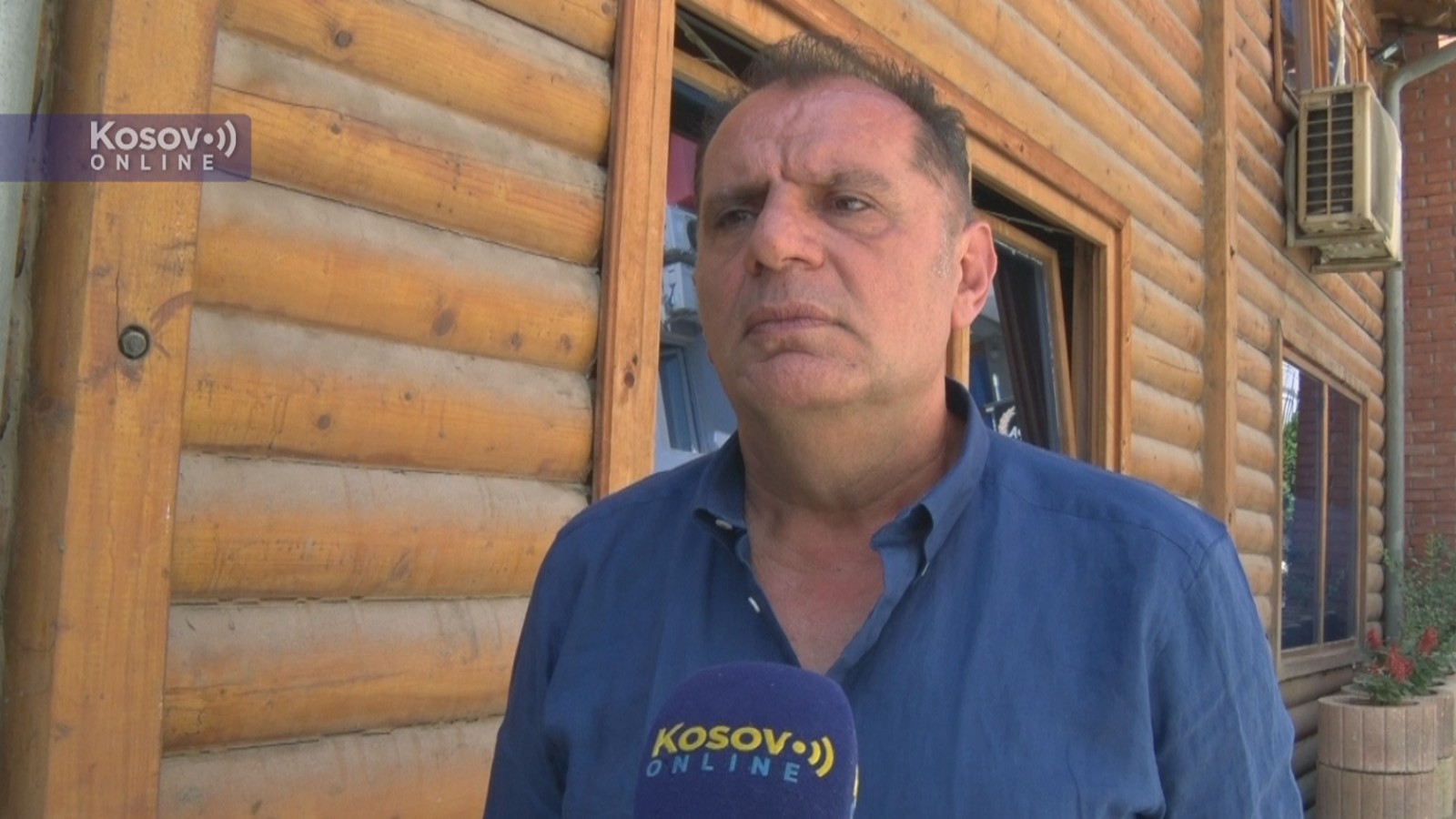
The solution to all economic problems, he says, lies in the normalization of relations with Serbia, stressing that the tense situation between the two sides is not only hindering the progress of Kosovo and Serbia but also the entire Western Balkans.
He warns that without political stability in Kosovo, there will be no new investments and permanent investments and that economic prospects for development will weaken.
"Only through economic development can political stability and social peace be achieved, integration can be accelerated, and what I would like to say is that the private sector take matters into their own hands because only the private sector and cooperation in the region can tear down walls and build bridges for a better future for all of us," the economist concluded.
Gerxhaliu believes that the biggest problem in Kosovo is the lack of investments and foreign investments, without which, he notes, there are no new jobs and an increase in living standards.
He states that, unfortunately, there are no investors in Kosovo who would boast of opening large production facilities and business opportunities for citizens.
"I would be the happiest person if today I could list five investors who invested in Kosovo, in production, and who employed a hundred workers each, but there are none. Therefore, you see how important dialogue and the normalization of relations are. That is why it is important to solve problems, in order to attract investments," the expert said.
When asked whether the economic problems in Kosovo could be solved without regional economic cooperation, he reiterates that the integration of the region is not possible unless internal political problems are solved.
According to him, the depoliticization of the economy is a priority.
"It is time when we have to look at the future through economic development. If we analyze the EU countries, don't believe that there is a lot of love there, Europe is united by interest and economic cooperation, so let it be a model for Kosovo and Serbia and the Western Balkans," Gerxhaliu pointed out.
comments