
Kosovo and the Arab League: Are new recognitions out of reach?
Lobbying by Kosovo President Vjosa Osmani for new recognitions of Kosovo from Arab League member states is likely to have limited effect. This is the assessment of experts familiar with the Arab world who spoke to Kosovo Online, noting the turbulent state of international relations — particularly the ongoing crises in the Middle East — as well as the fact that Arab countries which have not recognized Kosovo each have specific reasons rooted in their own international positions and domestic political contexts.
Written by: Dusica Radeka Djordjevic
Of the 22 member states of the Arab League, Kosovo is not recognized by nine: Tunisia, Algeria, Syria, Iraq, Palestine, Lebanon, Libya, Morocco, and Oman.
Kosovo is recognized by eleven members: Jordan, the UAE, Bahrain, Saudi Arabia, Djibouti, Sudan, Qatar, Kuwait, Egypt, Mauritania, and Yemen — though Egypt, after granting recognition, later effectively froze that decision in practice.
Somalia and the Comoros have since withdrawn their recognition.
The last Arab League member to recognize Kosovo was Sudan, in April this year.
During her visit to New York, President Vjosa Osmani sought the support of other Arab League countries that have yet to recognize Kosovo, meeting with Ahmed Aboul Gheit, the organization’s Secretary-General.
Osmani published photos of their meeting; however, the Arab League’s official website, where the Secretary-General’s activities are routinely reported, made no mention of the encounter.
Among Gheit’s meetings in New York on the sidelines of the 80th UN General Assembly session, the League’s website listed discussions with UN Secretary-General António Guterres, Portugal’s Foreign Minister Paulo Rangel, Cyprus’s Foreign Minister Constantinos Kombos, Libya’s Presidential Council President Mohamed al-Menfi, and Slovenia’s Foreign Minister Tanja Fajon — but not with Osmani.
According to Islamic scholar Darko Tanaskovic, Pristina’s authorities consistently try to use every international gathering — particularly UN-related events — to lobby for Kosovo’s statehood and international recognition.
“After such activities, accompanied by a lot of photo opportunities, they usually create the impression that they have been met with understanding, that they succeeded, and that there is reason for optimism. Such behavior is, after all, quite logical and not unique to Kosovo politicians — although, in their case, the gap between appearances and reality is somewhat greater than advisable,” Tanaskovic observed.
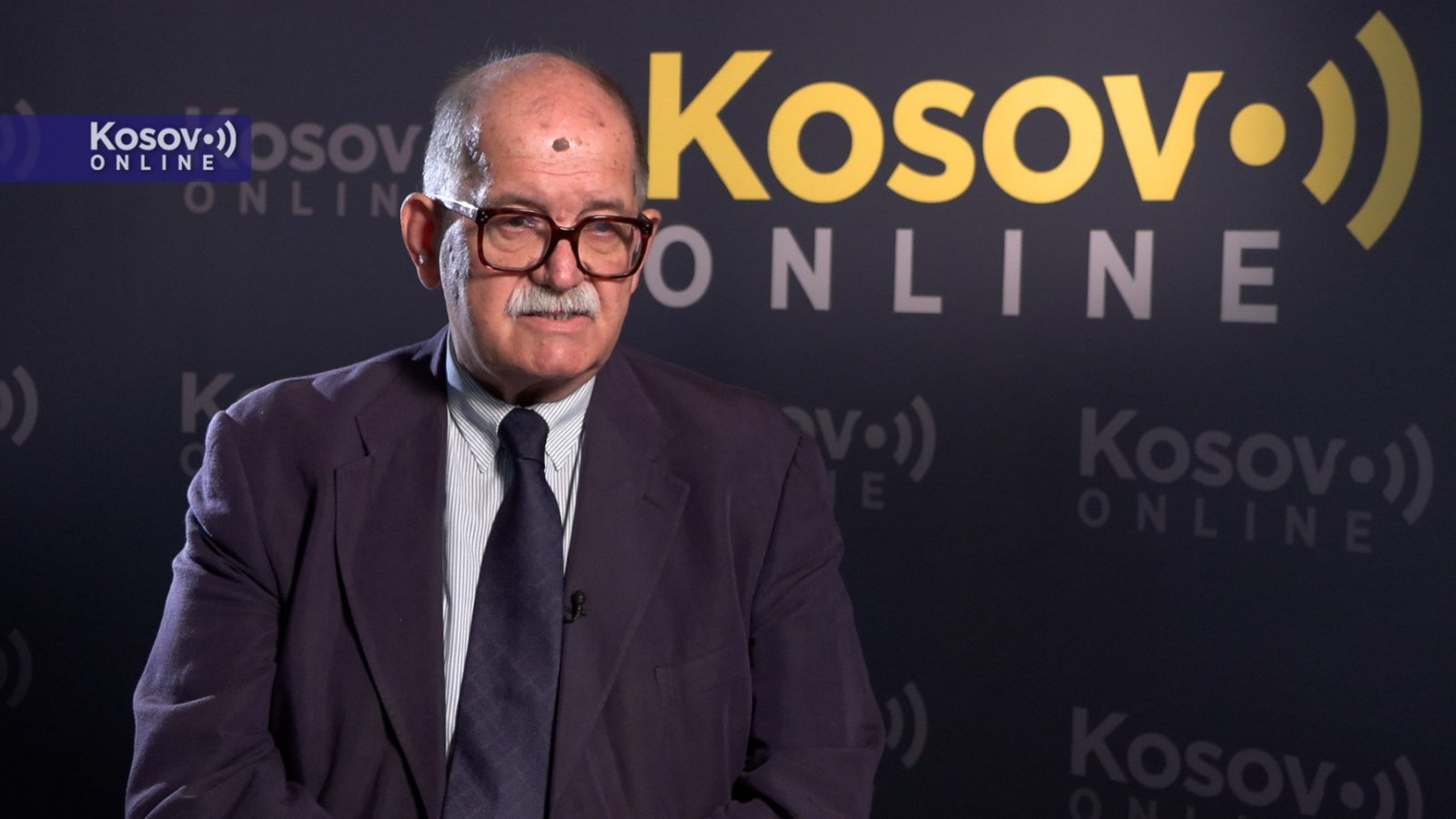
He said there were no indications of any significant shifts in the positions of Arab League members regarding the recognition of Kosovo’s independence and explained why many Arab states have refrained from doing so.
“Those Arab countries that did not recognize Kosovo in the first wave — and resisted pressure from within the Arab and Muslim world as well as from external actors — did so for clear and specific reasons, largely determined by their own international standing and domestic or foreign policy considerations,” Tanaskovic said.
He added that today’s international environment is highly dynamic and turbulent, with constant shifts at global, regional, and local levels.
“In the current constellation — where everyone is trying to position themselves favorably, both now and for the future, within the new coordinates of a rather rough power game among the most influential players — the issue of recognizing Kosovo’s independence is certainly not a priority for anyone except the politicians in Pristina,” he added.
“Of course, that doesn’t mean changes are impossible — but if they occur, they won’t come from any authentic motivation among potential Arab recognizers; they would result from foreign influence,” Tanaskovic noted.
He pointed out that Israel recognized Kosovo as part of U.S. political maneuvering and Donald Trump’s pre-election needs, despite having no genuine national interest in doing so — something, he added, that Israeli diplomats have informally admitted.
“Under current and foreseeable circumstances, it’s unrealistic to expect Egypt — which effectively froze Morsi’s arbitrary recognition of Kosovo — to change its stance, or Morocco, or Algeria, despite its dispute with Rabat over Western Sahara, which complicates its relations with Belgrade to some extent. Some unstable Arab states could succumb to outside pressure (and money), but even that is uncertain, given how complex inter-Arab and inter-Muslim relations are and how intertwined their interests remain,” Tanaskovic explained.
He noted that Turkey could, for instance, influence Damascus to reconsider its position, since Ankara has been consistently and energetically lobbying for Pristina — even while publicly proclaiming a “historic peak” in its relations with Serbia.
“After all, Ankara — alongside Albanian financial support — played a role in Sudan’s contradictory recognition of Kosovo, where it wasn’t even clear who actually held power in that war-torn country. There are also Iraq and Lebanon… Still, I doubt the Arabs, given all their pressing concerns, will preoccupy themselves with Kosovo. They’re not even adequately addressing the Palestinian tragedy. Pristina, meanwhile, counts on Islamic solidarity, invoking shared religion — but this line of argument, tried already during the Bosnian war, has not resonated with the Arabs or most Muslim countries, as they understand that this is not a religious conflict,” Tanaskovic concluded.
Dusan Prorokovic, Senior Research Fellow at the Institute of International Politics and Economics in Belgrade, shares this view. He believes that the complexity of the current international environment makes it unlikely that Arab countries will change their positions on Kosovo and Metohija.
Commenting on Osmani’s meeting with Aboul Gheit, Prorokovic said that everyone “is doing their job” and that it is “not surprising” that Osmani is lobbying for recognitions.
“International organizations have their own structure, logic, and founding documents. The Secretary-General represents the position of the organization, not that of Egypt. Within the Islamic world and the Arab League, there are both states that have established bilateral relations with Pristina and those strongly opposed to it — some of which support Serbia significantly,” he noted.
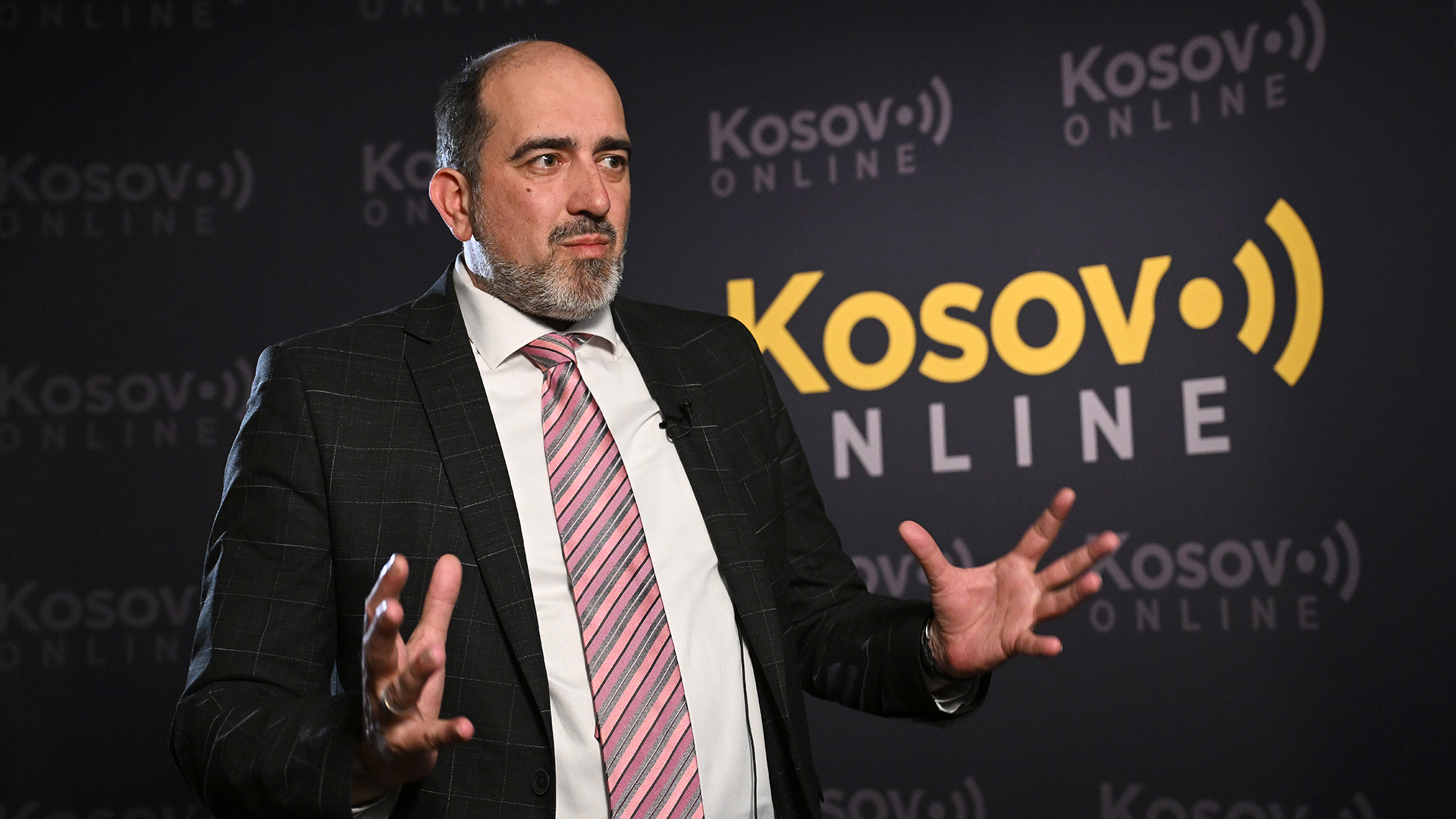
Prorokovic added that the Osmani–Gheit meeting was purely protocolary and unlikely to produce results.
“The stance on Kosovo is shaped by the broader international environment, which is now so complex that I doubt many countries — or even a few — will change their views on Kosovo and Metohija, particularly in the Arab world. The issue is now viewed through the lens of the Israeli-Palestinian conflict, the war in Ukraine, and new Middle East initiatives emerging almost daily. Given that the Middle East remains a strategic priority for the Arab League, Osmani’s efforts will likely have very limited impact,” Prorokovic said.
Although he does not rule out the possibility that some country might unexpectedly establish relations with Pristina, he emphasized that such a move would not be the result of systematic lobbying, but rather a random political incident.
He also recalled that the Arab League strongly condemned Kosovo’s decision to open an embassy in Jerusalem after being recognized by Israel four years ago, calling the move “illegal.”
“That decision remains a major obstacle in Kosovo’s relations with Arab states. The embassy in Jerusalem was only the third in the world, and UN General Assembly resolutions on Jerusalem are clear and binding. Even Arab states that have somewhat normalized relations with Israel continue to insist on a special status for East Jerusalem under the two-state solution. For them, Kosovo’s move was a direct affront. It will be extremely difficult for Pristina to explain why it did this and why it maintains such close ties with Israel — particularly with Benjamin Netanyahu’s government, which is viewed as deeply hostile to Arab security interests,” Prorokovic explained.
He added that this issue could even serve as a diplomatic opportunity for Serbia to lobby for de-recognition among Arab League countries that have previously established relations with Kosovo.
Political analyst Shkëlzen Maliqi told Kosovo Online that Kosovo has received very few recognitions over the past five years, and that Osmani’s meeting with the Arab League Secretary-General was an attempt to overcome that stagnation.
“Kosovo lacks recognition from Islamic countries. Turkey sponsored some recognitions from that part of the world, but there is clearly a gap. The president probably tried again to speak with some countries to bridge it. Recognitions have mostly come from the U.S. and the U.K. But this process will likely become irrelevant once a dialogue-based agreement is reached and the Ohrid and Brussels Agreements begin to be implemented. Once Kosovo joins all international organizations — including the United Nations — the number of individual recognitions will no longer matter,” Maliqi concluded.
At present, Kosovo is recognized by 85 countries worldwide.




0 comments