
Trifunovic: Through the trial of 53 members of the army and police, Pristina is attempting to assert its sovereignty
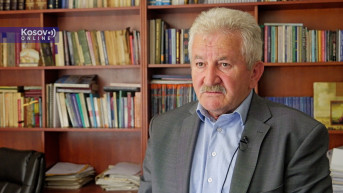
Former President of the Military Court in Belgrade and lawyer Djordje Trifunovic has assessed that the authorities in Pristina, by initiating war crimes proceedings in Meja against 53 officers and members of the Yugoslav army and police, are attempting to assert their sovereignty, and that the competent institutions in Serbia must provide all forms of legal assistance to the accused.
The largest trial in absentia for war crimes, specifically for the crime in Meja, is scheduled to begin on June 16. Analyzing the indictment, Trifunovic says it is vague and generalized.
"The indictment itself is quite broadly and loosely framed. It mentions the number of killings, claims that there are lists of people allegedly killed, and states that they originate from the mass graves in Batajnica. I see a connection between what was brought there and what happened on the ground, but there are no specific descriptions of the acts, no individual allegations detailing what each of the accused did, when, in what manner… So it’s quite general and imprecise," Trifunovic told Kosovo Online.
He adds that Pristina has announced that the process will apply the highest international standards and judicial practices, which, according to this legal expert, means that the international community will be involved in monitoring the proceedings.
"This obligates our judiciary, our military security and police authorities to assist these people and to provide court-appointed defense attorneys with the necessary information for the defense. There is no other way," Trifunovic clarified.
He explained that such a mass trial in absentia represents a form of “proving Kosovo’s sovereignty,” but noted that the accused will face real-life consequences.
"They continue trying to defend their sovereignty through serious indictments, which they’ve announced previously as well. But these are our citizens. They are not obliged to appear at that trial, nor to voluntarily submit themselves. However, it is a real problem for travel, for the peace and security of these individuals. Still, the situation is what it is — we cannot simply walk away from it, declare that we do not recognize these war crimes or that court; we’ve already said all that, but the international community also has a say," the lawyer noted.
He added that if convictions are delivered, each of the convicted will have the right to request a retrial in person, and that Serbia could potentially conduct its own trials if there is evidence of criminal liability.
"In trials in absentia, there is a mechanism for reopening proceedings with the presence of the defendant. Now, if a final agreement were to be reached, and if it were established that there is indeed evidence that some of these crimes were committed, the state itself could prosecute its citizens, as war crimes do not have a statute of limitations. But for now, there are no objective criteria by which we can predict how this will all turn out," Trifunovic emphasized.
Asked why it took so many years to establish a case involving such a large number of defendants for war crimes, Trifunovic stated that time is needed in such proceedings to gather evidence.
"This investigation began in 2013 or 2014, and I assume they had to work for that long to collect relevant evidence — if they even collected any. There is no statute of limitations here, so the passage of time does not affect whether an indictment can be raised or not," he stressed.
He also questioned the grounds on which it was decided to prosecute such a large number of former army and police members in absentia.
"Trial in absentia is a recognized procedural situation if there are obstacles preventing their attendance. The indictment claims that they did everything possible to secure the presence of the accused, but I don’t know what that entails, as it is stated that their addresses are unknown or their whereabouts are not identified," Trifunovic concluded.



0 comments