
Traditional costumes from Kosovo – a true treasure of Serbian culture and tradition
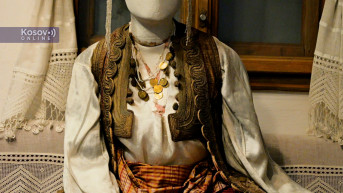
Made of wool or linen, woven and then fulled on special machines called fulling mills, richly and densely embroidered—mostly in red—with floral and geometric motifs—these are just some of the characteristics of traditional costumes from Kosovo. They differ from region to region, many bear Oriental features, yet each represents a true treasure of Serbian culture and tradition.
Written by: Katarina Saicic
In search of answers to what makes a complete, authentic men’s and women’s traditional costume from Kosovo, we visited the Ethnographic Museum in Belgrade, which preserves as many as 3,000 such garments in its collection.
Ethnologist and senior curator of the Ethnographic Museum, Jelena Tucakovic, told Kosovo Online that the traditional costumes from Kosovo preserved in the museum date from the late 19th century to the first half and mid-20th century.
“Their basic characteristic is, first of all, the material from which they were made. It was predominantly wool, while flax and cotton were also used, and in rarer cases silk,” Tucakovic said.
Made by housewives
She added that the costumes were made by women—housewives—within the framework of their daily duties.
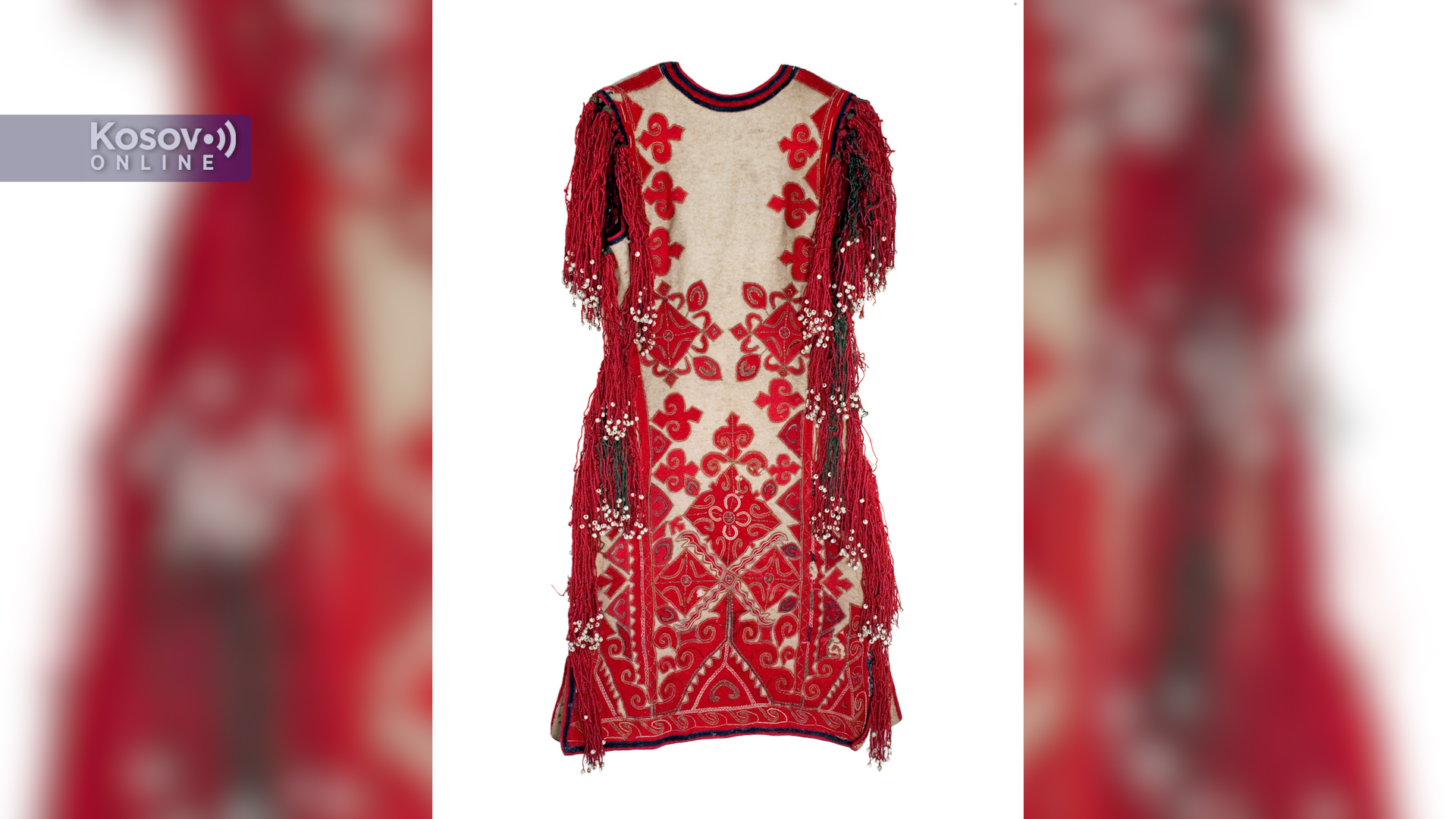
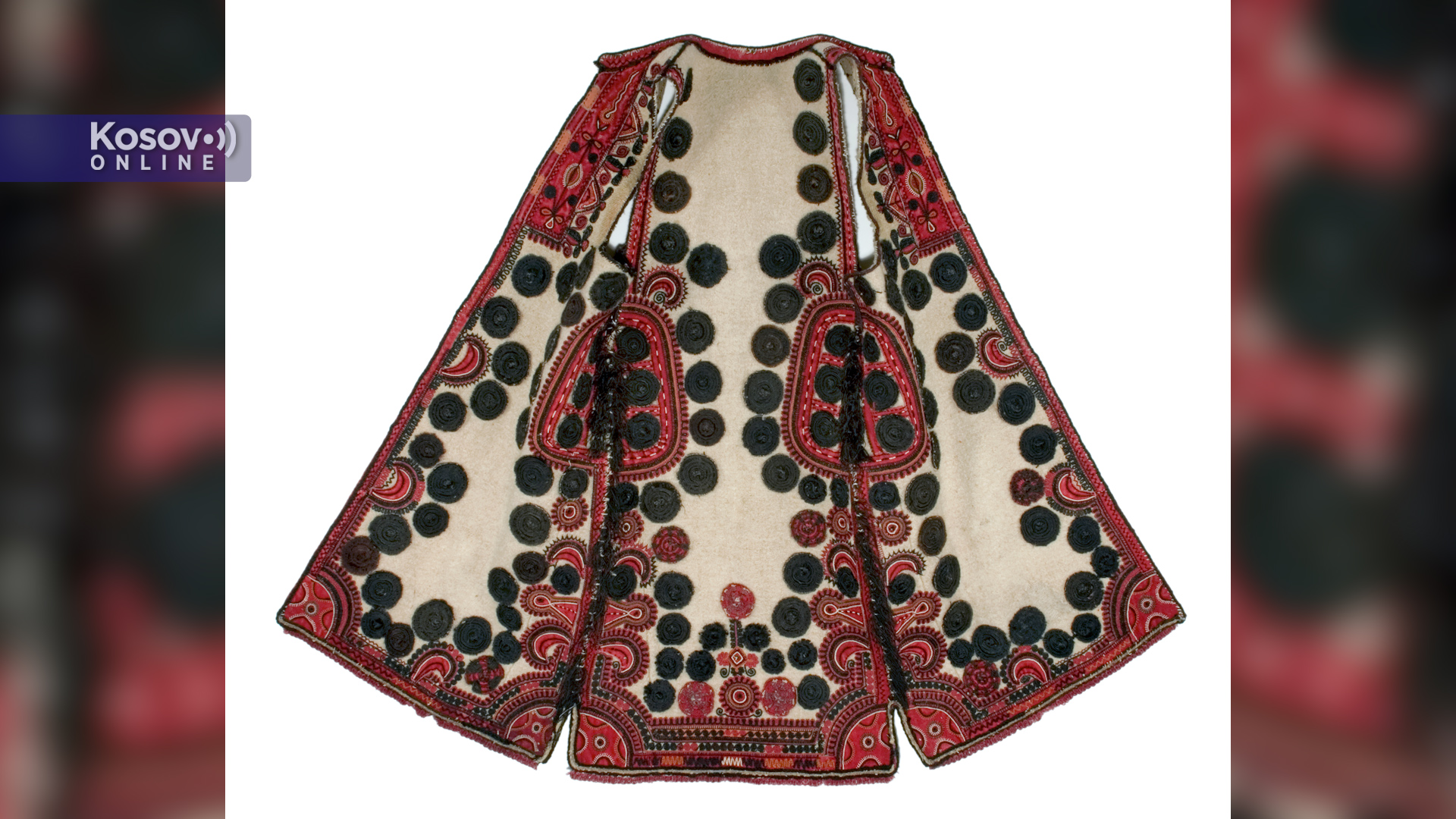
“Women usually carried out the entire processing of the raw material up to the final fabric. What is interesting and related to traditional costumes from Kosovo and Metohija is the method of production. They were mostly woven. That is, women wove wool or flax. The woven wool was then taken for fulling in special wooden machines called valjarice, as I explain to visitors. This is a process similar to felting wool. The difference is that, unlike most other regions in the world where wool is felted in its raw state, here wool is felted, or fulled, after weaving. This produces a very good, strong, impregnated material that can last a very long time. In our holdings we have a collection of zubuns. Some of these zubuns are more than a hundred years old. So, this is a highly durable material,” she explained.
She emphasized that the costumes were used both for everyday activities and for festive occasions.
Wedding attire richly decorated with headgear
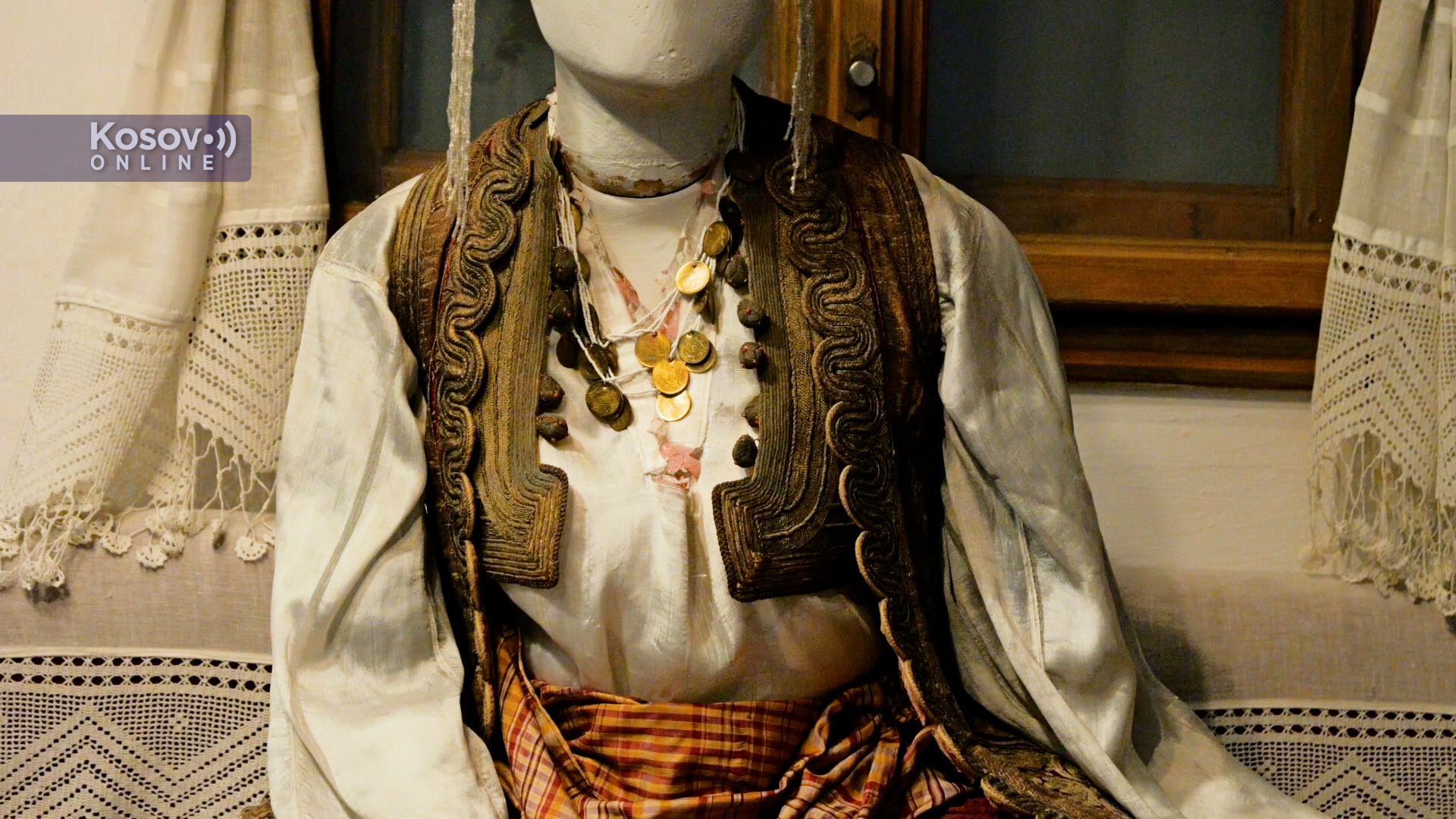
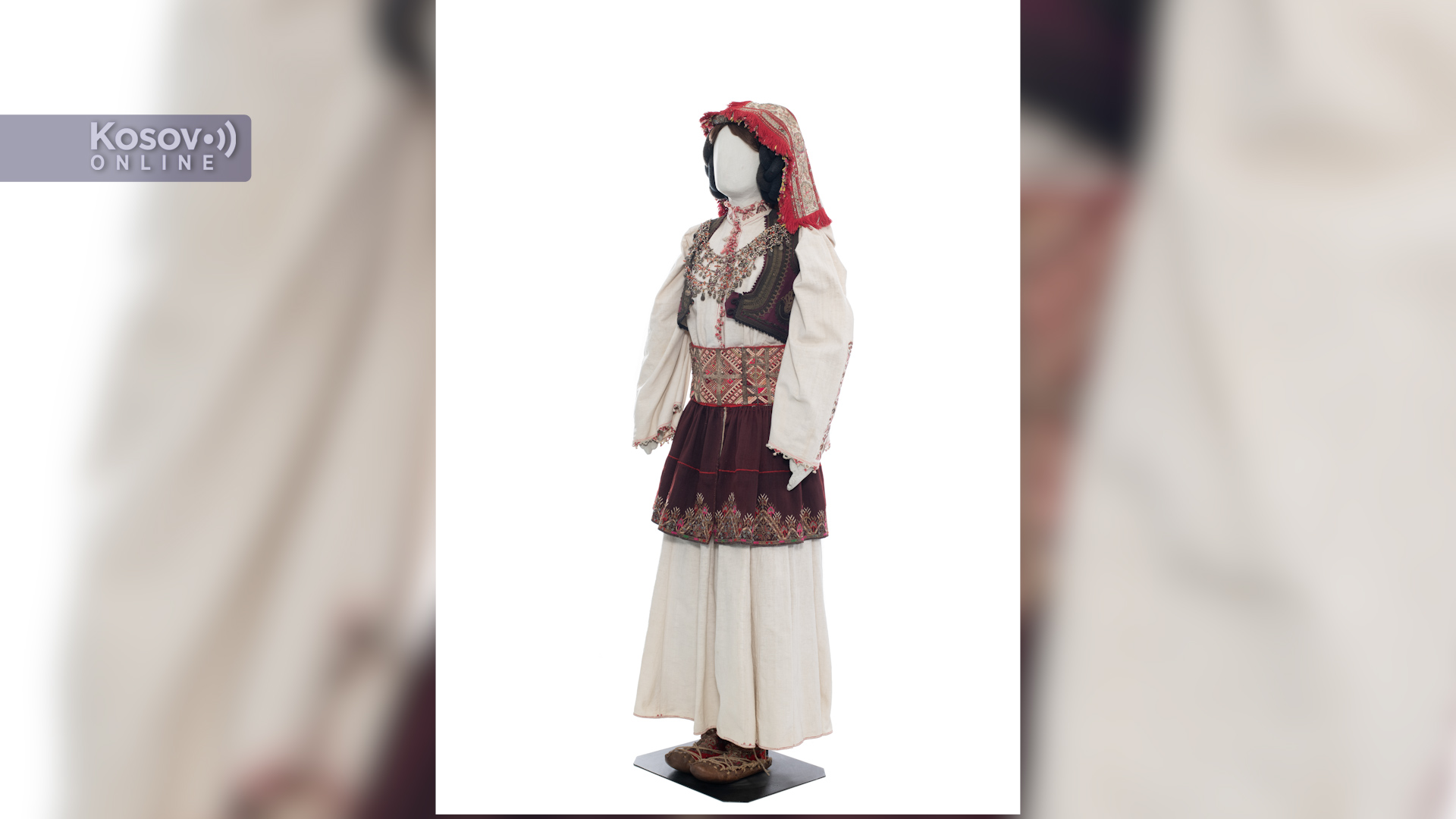
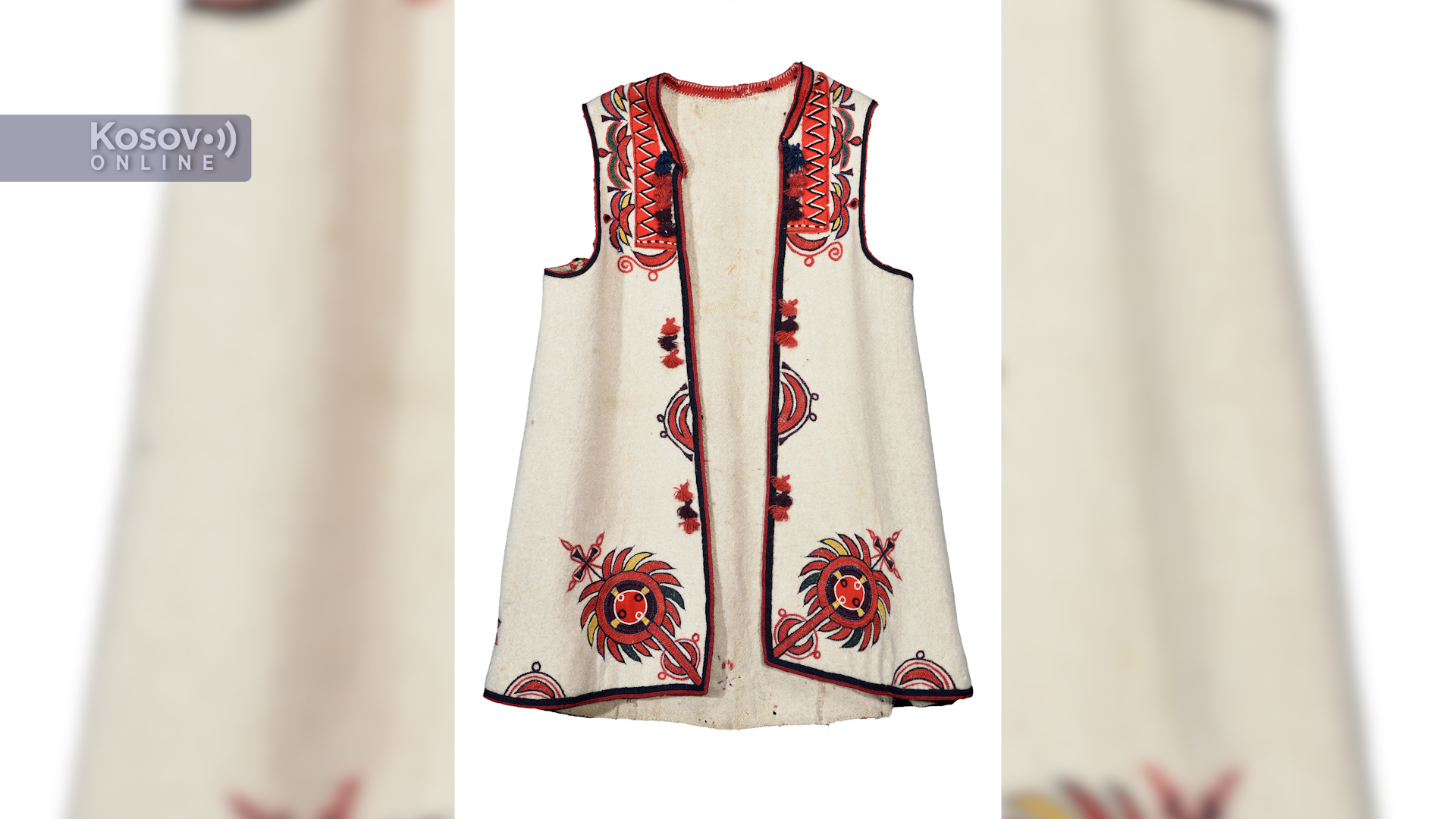
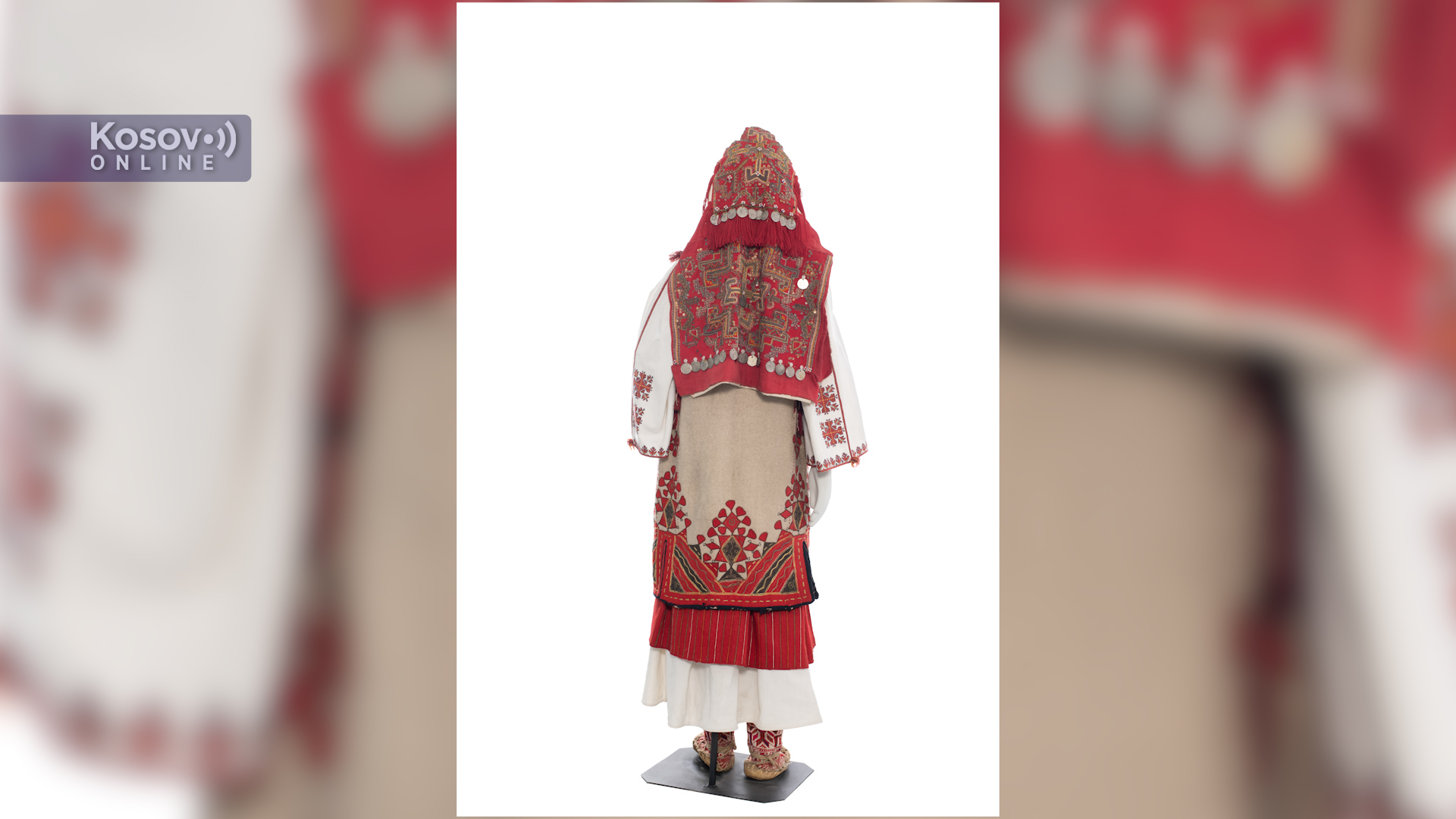
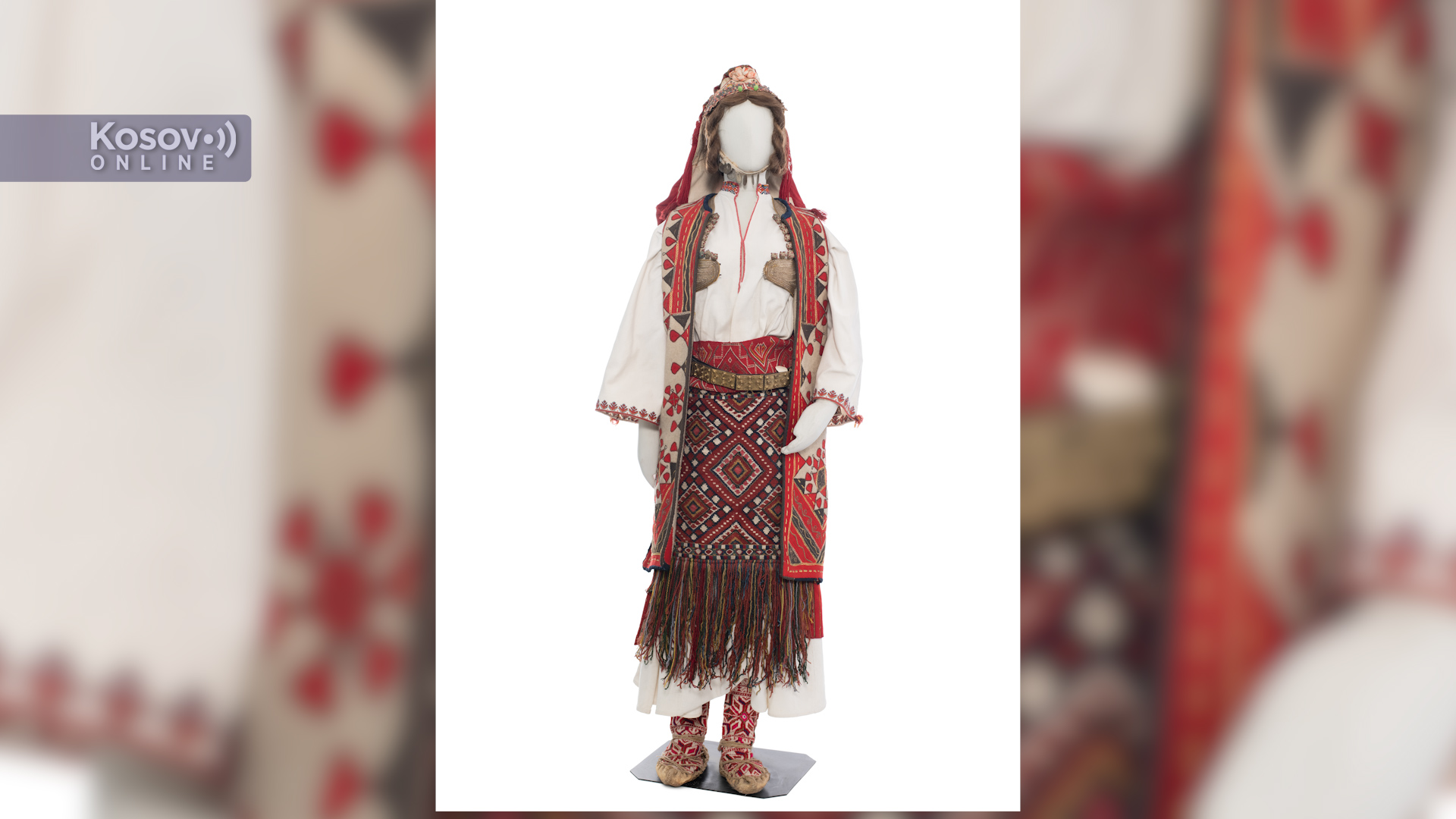
“Festive costumes were made by women for their own weddings. These are bridal outfits, and they were richly decorated. A complete costume consists of a shirt, over which a vest (jelek) is worn; if it is cold, a zubun is added; around the waist a belt and an apron are tied. There are rear or front aprons depending on the region. Woolen socks and opanci (traditional shoes) are worn on the feet. Married women were required to wear headgear, while brides wore more ornate headpieces featuring coins, a small mirror, and various details intended to protect the bride at the moment of marriage from the evil eye, ill will, or envy. The coins and shiny elements deflect the gaze, thus protecting her,” Tucakovic explained.
Regarding men’s costumes, she added that the materials were the same as for women’s, but the elements of the ensemble differed.
“The set consists of a shirt reaching mid-thigh, woolen cakšire trousers that were woven and then fulled from wool, a belt, and on top often a vest (jelek) or gunj, with woolen socks and opanci below. Men’s festive attire does not differ much from everyday wear,” she noted.
Metohija costumes with richer, denser embroidery
As for decoration and embroidery, Tucakovic pointed out a slight difference between women’s festive costumes from Metohija and those from Kosovo.
“In Metohija, woolen or cotton thread is most often used for decoration. The embroidery is very dense, with rhythmic repetition of a stylized, geometrized plant motif. What particularly characterizes Metohija shirts is the large, dense decoration on the sleeves. A lot of red color is used—other colors as well, of course—but red was the most favored. As for women’s costumes from Kosovo, they do not have such dense decoration, and one can notice the addition of shimmering elements—more sequins, beads, or metallic braid. These elements are also present in Metohija costumes, but Metohija attire is primarily distinguished by very dense embroidery and intense ornamentation on all parts of the costume,” Tucakovic explained.
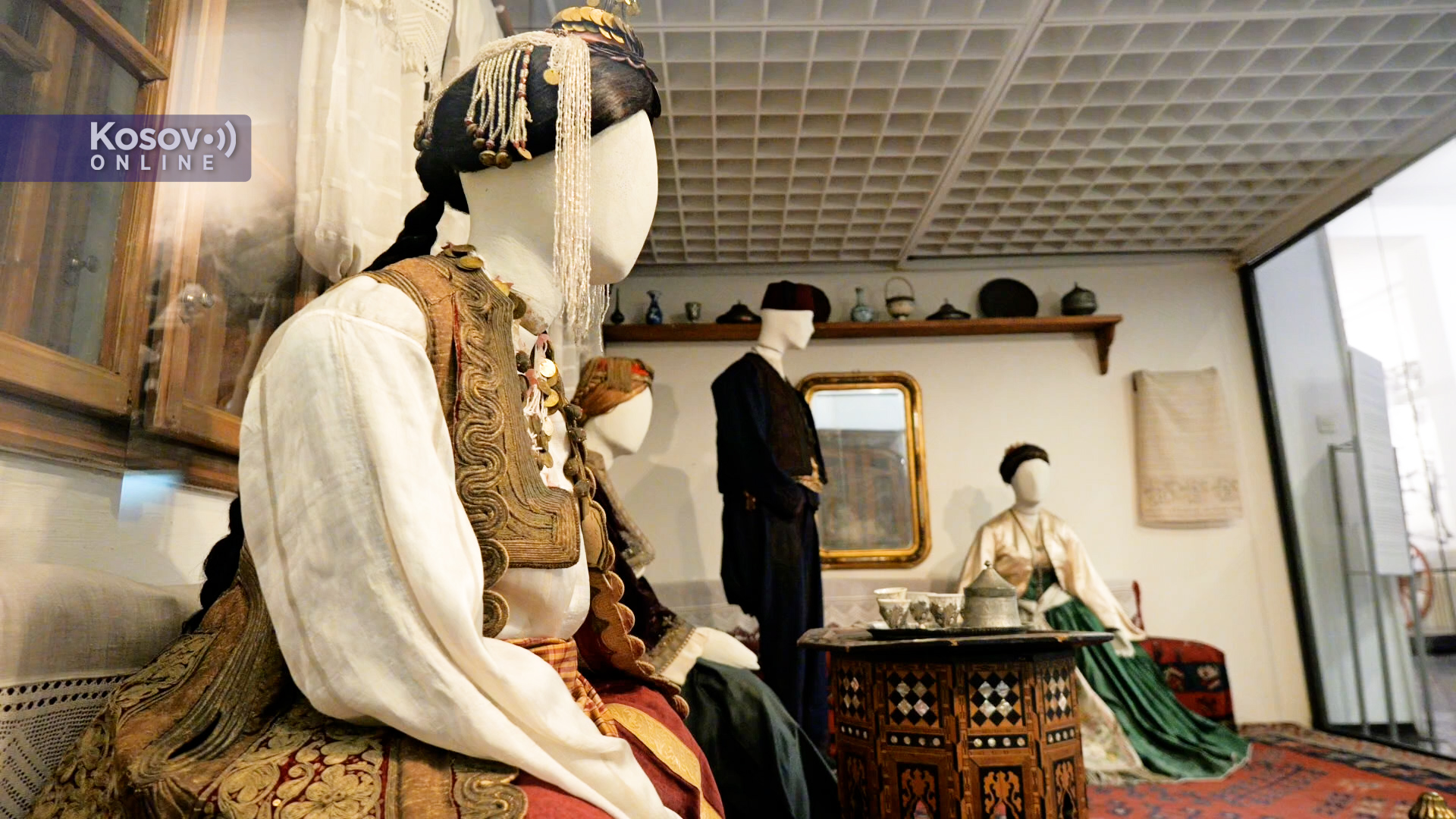
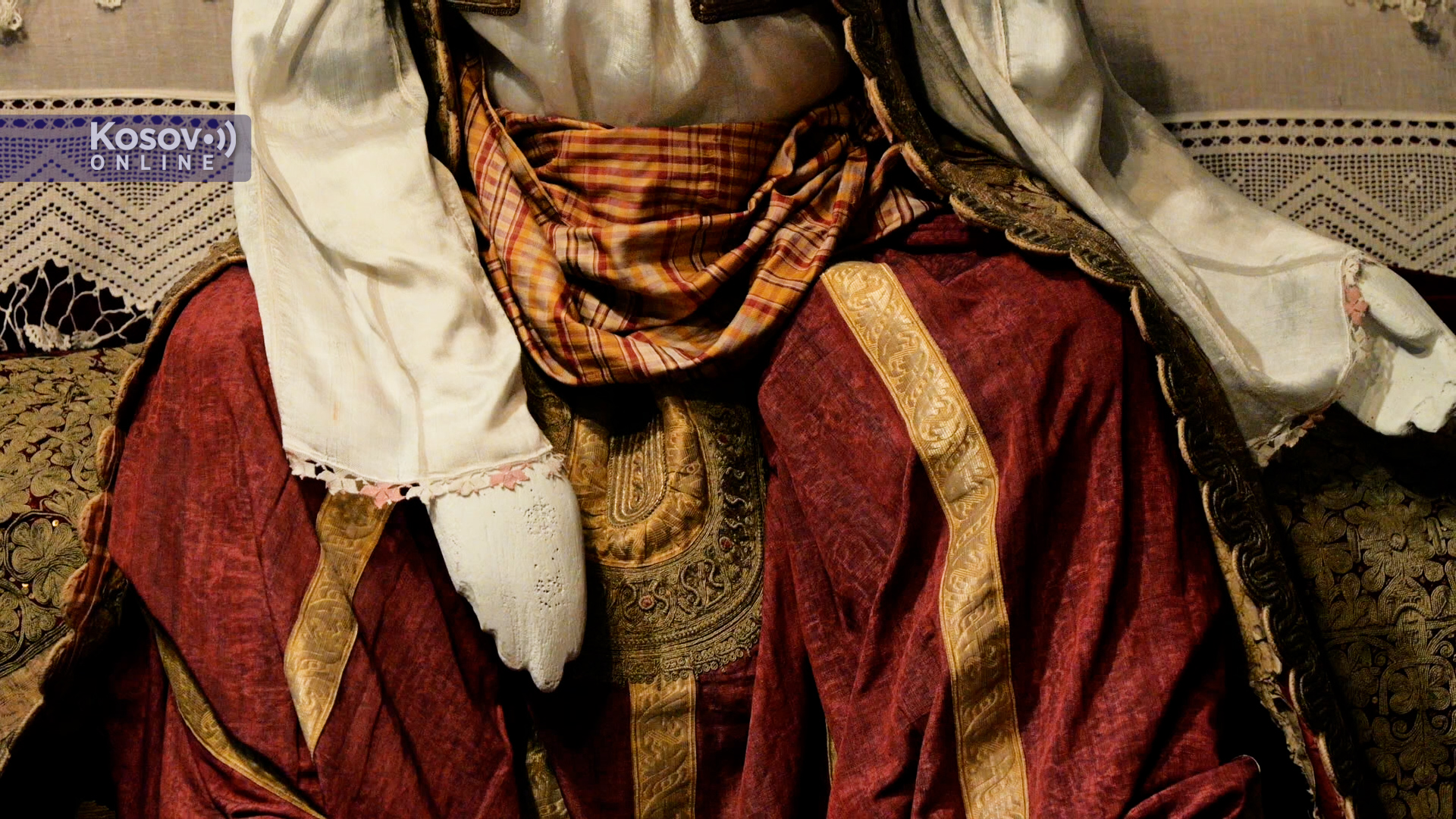
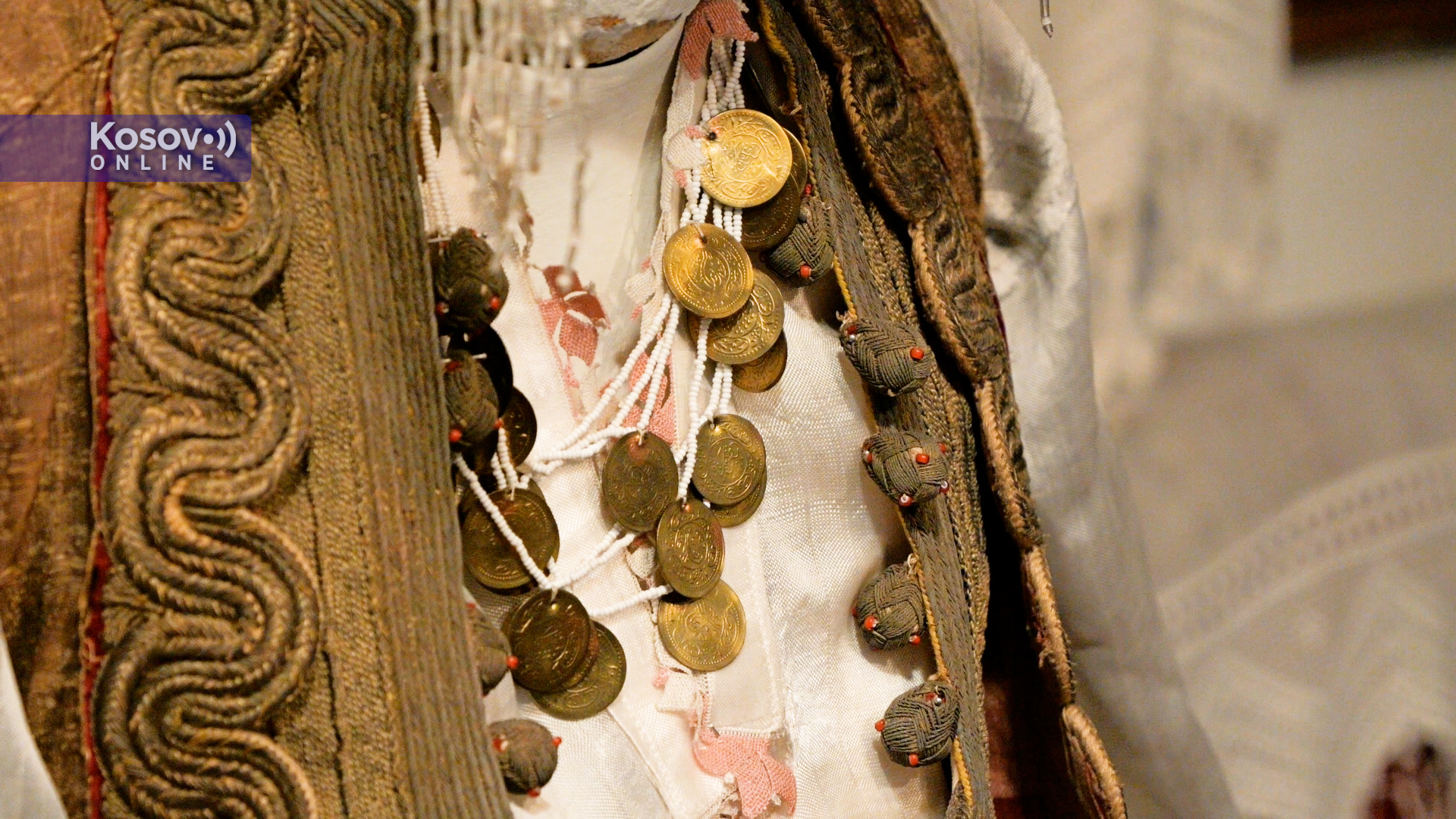
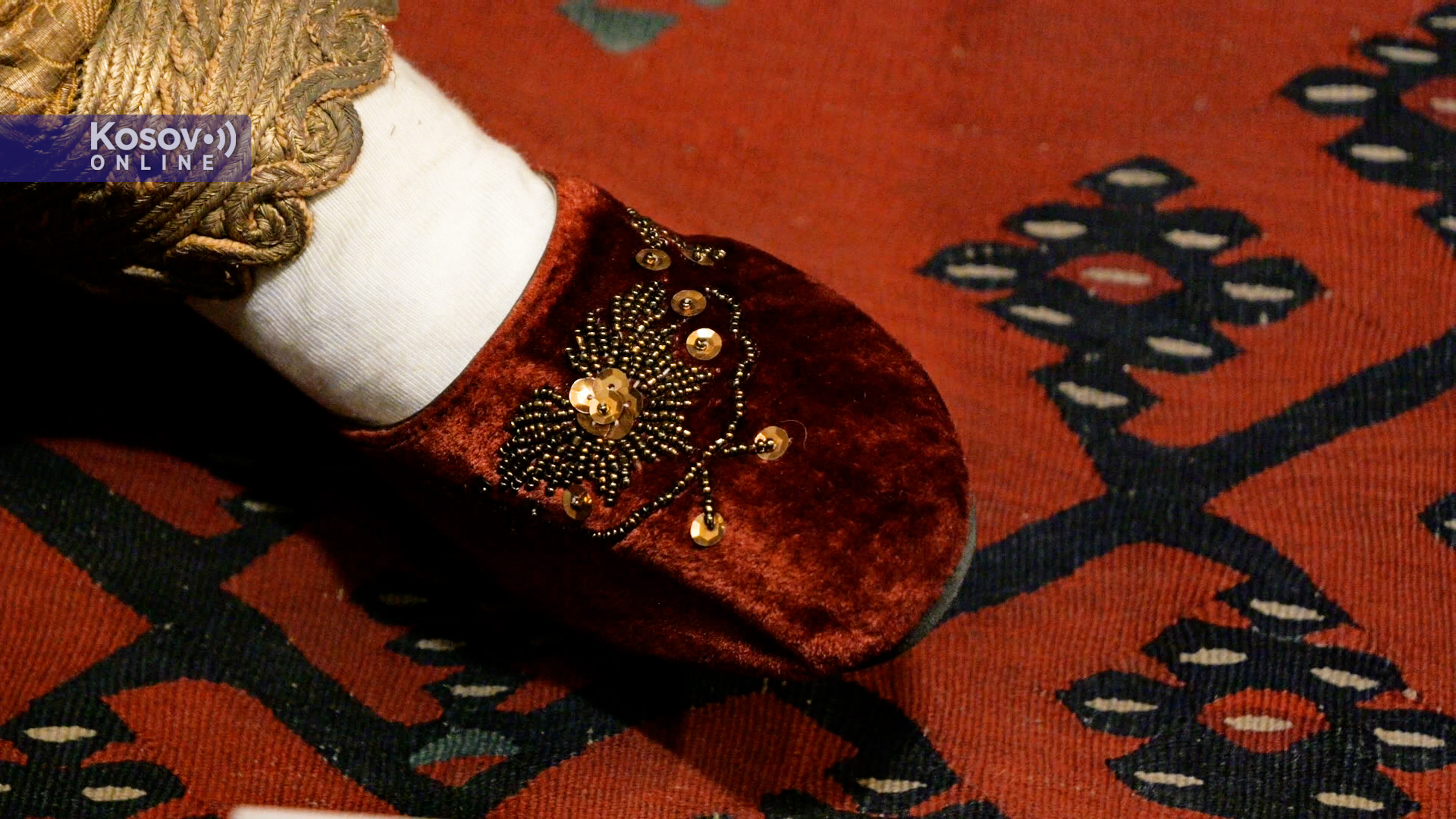
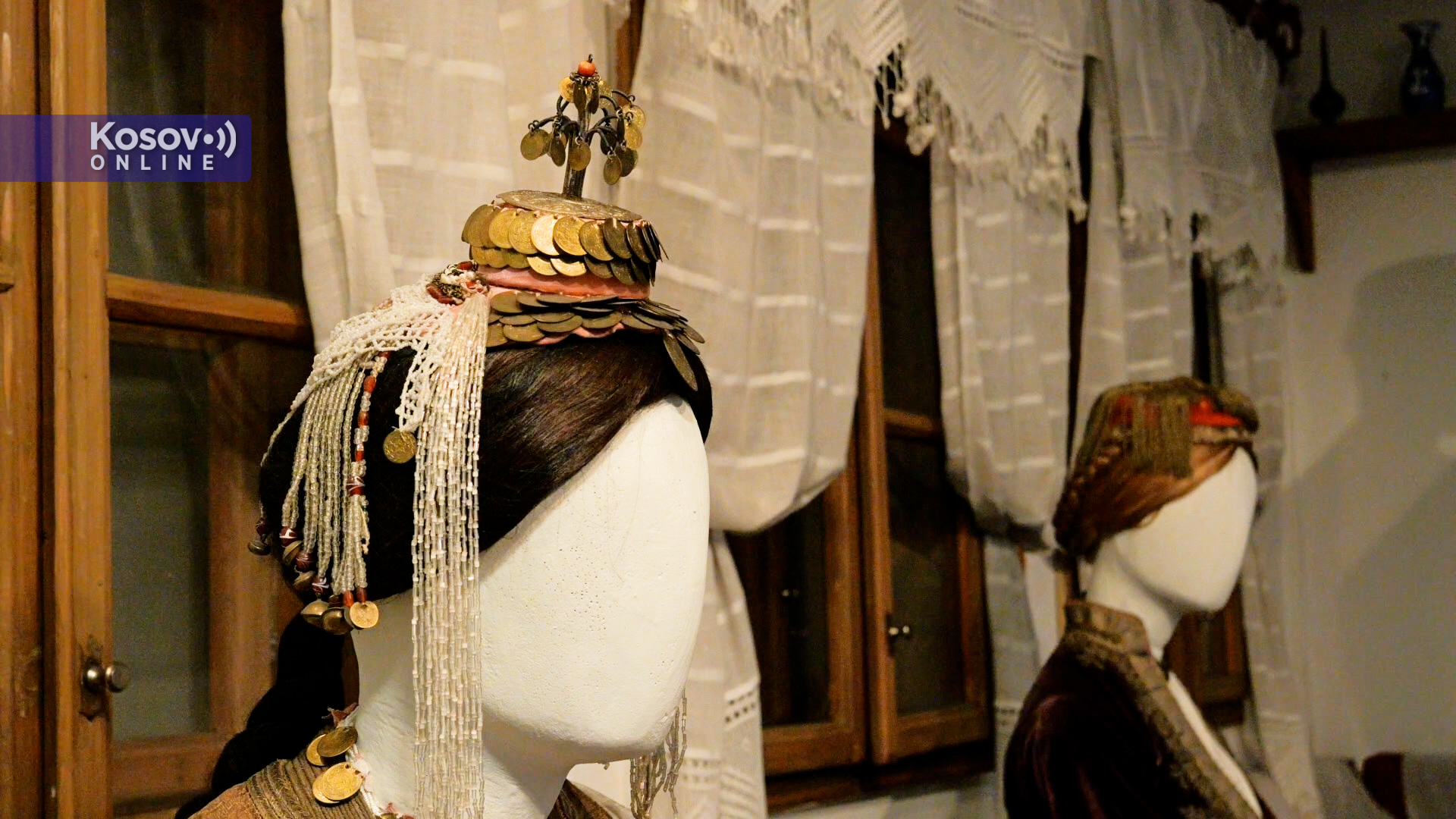
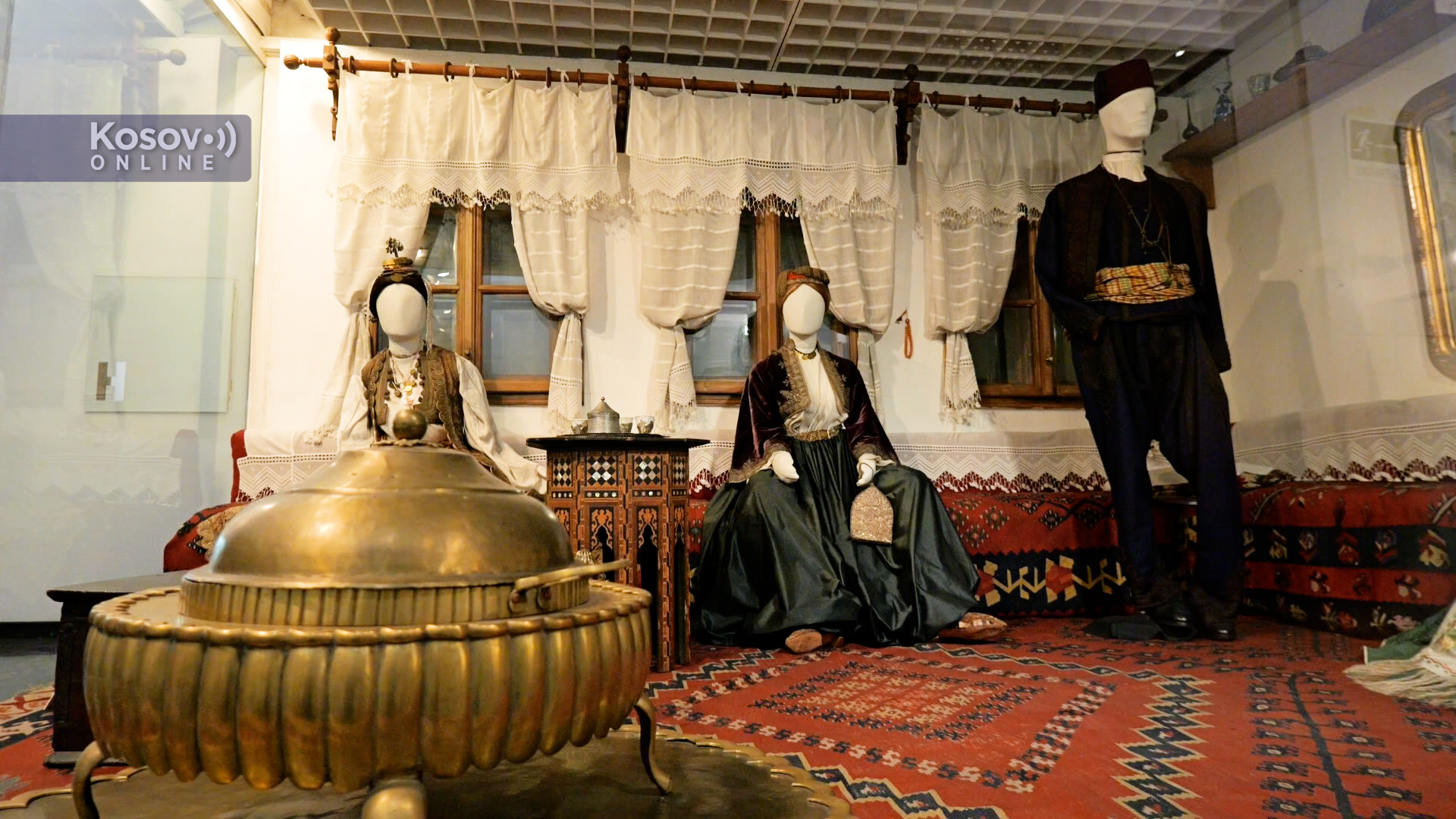
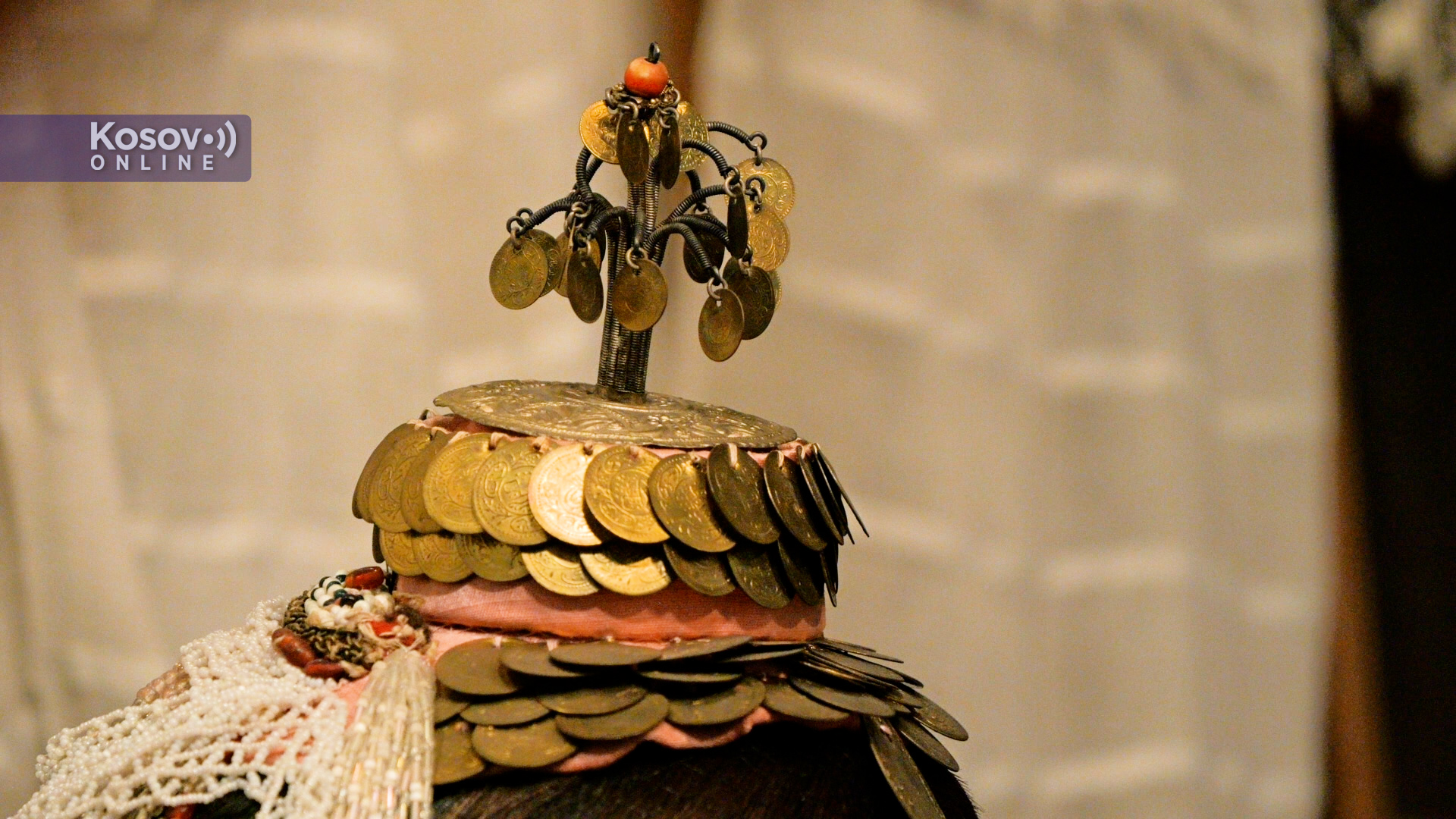


She added that among the 3,000 items in the Ethnographic Museum’s collection, some belong to complete sets and thus form full costumes.
“We have many elements that we received or purchased sporadically as they came into the museum. There is less and less of this, because traditional costumes are no longer made. Since the mid-20th century, there has been a major reduction in the production of traditional attire. What was made in the 19th century and is part of our holdings can almost be viewed as an archaeological collection—although it does not belong to that period—but such a museological approach might be appropriate,” Tucakovic concluded.
She emphasized that all parts of the collection are preserved under special conditions in the depot of the Ethnographic Museum. The public will have the opportunity to see them at an exhibition that this important cultural institution is preparing toward the end of this year.
Local differences also present
According to available literature, it is interesting to note that the characteristics of costumes from Kosovo vary from region to region. Thus, in Kosovo Pomoravlje, a characteristic female garment within the costume is the bošca (apron) and the kolan (tail), worn at the back. Byzantine, Turkish, and Greek influences were noticeable in this area.
Turkish influences were also present in Metohija, and in villages, winter clothing made of white broadcloth with a vest or japundža was worn. In Prizren, red was frequently used in the color palette of the costume. As noted, a special place in the embroidery of Prizren vests is occupied by the bee motif, often called the “white bee.” This motif is not merely decorative; it represents a link to ancestors and spiritual heritage.
According to our interlocutor, one thing is certain: traditional costume is becoming a rarity and a reminder of how people once lived. Today, replicas are made for the needs of cultural and artistic societies, such as the replicas of Kosovo costumes used by the KUD Leposavic.
Some of these were created based on motifs from the collections of the Ethnographic Museum.



0 comments