
Gulic: Neighbors' reaction isn't surprising; Srebrenica the foundation of a black-and-white narrative about who is to blame
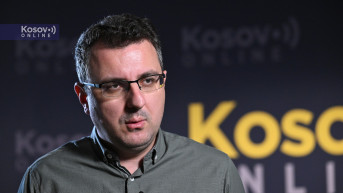
Senior research associate at the Institute for Contemporary History in Belgrade, Milan Gulic, says that Srebrenica forms the foundation of a black-and-white narrative about the war in Bosnia and Herzegovina, which is why the decision of most Western Balkan countries to cosponsor the proposed Resolution doesn't come as a surprise.
"The stance of most of the West, following the majority of countries surrounding Serbia, is well known and not surprising. It should be noted that a good portion of Serbia's surroundings are members of NATO and, in that sense, follow a unified policy of relations towards the war in Bosnia and Herzegovina, where roles have long been divided, and there exists a black-and-white image of who is to blame, who is the victim, and the foundation of that narrative is precisely Srebrenica, which most, especially the Western hemisphere, view as defined in the judgment of the International Court of Justice," Gulic told Kosovo Online.
Reminding that a similar resolution was proposed in the UN Security Council in 2015 regarding the 20th anniversary of the events in Srebrenica, Gulic says that the intention to pass a similar document on the occasion of the new anniversary is "only at first glance."
"Now, it is about preparing for the thirtieth anniversary of the events in Srebrenica from July 1995. But it is more about the political moment, about everything happening in the world now, and where certain positions are simply taken or already exist," Gulic says.
Gulic warns that insisting on passing this document in the UN General Assembly instead of reconciliation will only rekindle old conflicts in the region.
"The story that the Srebrenica Resolution is an attempt to reconcile previously warring peoples is actually just hiding behind what is in reality, which is fueling a very bad atmosphere in this very unstable region," Gulic emphasizes.
Asked to comment on the stance of regional countries becoming cosponsors of the resolution, Gulic says that Srebrenica has become an issue through which many try to push their interests, particularly highlighting North Macedonia, mentioning the significant influence of the Albanian minority community in decision-making.
"We see that Srebrenica, despite being long over and more of a matter for historians, even the judiciary is no longer dealing with it because the majority of judgments have been made and established, has become an issue burdening the region through which everyone tries to take a certain position or push their own interests. In that sense, North Macedonia seems to be under the influence of the Albanian national community, which is quite strong there. It is about their relationship not only regarding the issue of separatism in Kosovo and Metohija but also the issue of Srebrenica and their stance on the wars that followed the breakup of Yugoslavia," Gulic believes.
He emphasizes that although the eventual adoption of the Srebrenica Resolution won't be a legally binding document, it doesn't mean that many won't use it, singling out Kosovo.
"Among other things, I wouldn't be surprised if it served as some kind of starting point for self-proclaimed Kosovo for further actions on the international stage regarding Serbia. But here again, besides fueling or deepening old conflicts, I don't see any results being achieved. Ultimately, the International Court of Justice once determined that Serbia was not directly linked to the events in Srebrenica, which were classified as genocide at that time," Gulic concludes.


0 comments