
Kostic: EU reform would give the European Commission a greater role in the Belgrade-Pristina dialogue
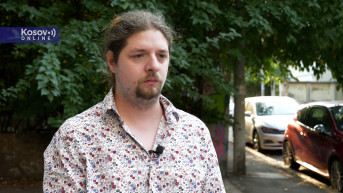
The German-French proposal to reform the European External Action Service could lead to greater centralization of the European Union's executive power, as well as significant changes in the way the EU would conduct the Belgrade-Pristina dialogue, according to Mijat Kostic of the New Third Way organization.
As he explained, the proposal envisages placing the European External Action Service under the European Commission to some extent, meaning that the Commission, headed by Ursula von der Leyen, would take over a larger share of its responsibilities.
“The German-French proposal is to centralize the EU in some way as a single bureaucratic system and to place the European External Action Service under the European Commission, in the sense that the Commission and its current president, Ursula von der Leyen, would be above the External Action Service. It has not been fully defined what this would look like, but the proposal is for the Commission to take over a larger share of the Service's responsibilities, in which case the Service's head, Kaja Kallas, would also be directly subordinate to the EC and operate within the Commission,” Kostic explained to Kosovo Online.
According to him, under the new structure, the European External Action Service could deal with a broader range of issues, including humanitarian aid, digital transformation, as well as foreign affairs in the areas of energy and technology.
Kostic points out that the reform is part of a broader plan to change the way the European executive functions, with the aim of bringing together the responsibilities of different institutions more clearly and avoiding overlaps between them.
“The goal is to centralize the executive power, and particularly to coordinate foreign policy with the European Commission,” Kostic said.
Speaking about what such a reform would mean for the Belgrade-Pristina dialogue, Kostic assessed that the European Commission would take on a much greater role in the process.
“That would mean much greater institutional pressure from the EU and that the European Commission would be much more directly and in greater detail involved in what is happening between Belgrade and Pristina,” Kostic said.
According to him, in that case the dialogue would no longer be an issue handled by a separate European External Action Service, independently of the Commission, but the process would be more strongly integrated into the EU's central executive structure.
“That would mean it would no longer be a separate department, that is, the External Action Service, dealing with this issue separately from the Commission. Instead, the Commission would become the ‘EU government,’ whose responsibilities would also include foreign affairs, so the process itself would become more bureaucratic, but more centralized in hierarchical terms, because the final decision would come from the very top – the president, that is, the president of the European Commission,” Kostic concluded.



0 comments