
Mitic: For many in the West, ethnic cleansing of Serbs under the radar is acceptable
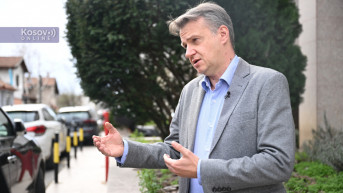
Scientific Associate at the Institute for International Politics and Economy in Belgrade, Aleksandar Mitic, says for Kosovo Online that what happened on March 17, 2004, was an orchestrated attack on the Serbian people and the most visible form of ethnic cleansing, but that what has been happening since then is ethnic cleansing that was much quieter, in some ways even more dangerous, because it occurred under the radar and was systematic.
He points out that March 17, 2004, was more visible due to the conflict between Albanians and KFOR, attracting great attention because of its intensity and visible violence.
"It was an extremely violent and fast, coordinated, and efficient way of ethnic cleansing. Today, various elements of ethnic cleansing are seen through the complete usurpation of private property, the criminalization of any possible civic resistance, the complete prevention of Serb return to Kosovo and Metohija, and the undermining of Serb political engagement, as we saw now after these elections. There are various elements that, together with the collapse of the institutions of the Republic of Serbia, contribute to the continuation of this ethnic cleansing. It did not begin with Albin Kurti, but it is systemic from Pristina and coordinated and silently supported by the great Western powers," emphasizes Mitic.
He says that in 1999, after NATO aggression, when he was a journalist in Kosovo, he saw silence, tolerance, and perhaps even tacit encouragement of ethnic cleansing by Western units and officials, and it was clear to him that this was a model that would be repeated later, which indeed happened in every phase of ethnic cleansing in the past quarter-century.
"The fact is that, on the one hand, there is a political desire to maintain a certain stability in the Balkans and stability in Kosovo and Metohija, in order to present a form of multiethnicity and show that the Kosovo model has succeeded and has not led to the ethnic cleansing that Serbs constantly speak about. However, that is an absolute farce. On the other hand, there is a political desire among leading Western countries, primarily the Quint states, to complete the territorial integrity, as they say, of independent Kosovo. To achieve this, it was necessary to completely discourage Serbs, destroy the institutions of the Republic of Serbia, and do everything to suppress the resistance that had been smoldering until recently," says our interlocutor.
He reminds that the pogrom of March 17, 2004, was preceded by the spread of a false news story and an orchestrated campaign, and that its concrete political goal was to accelerate the so-called negotiations that would actually lead to an independent Kosovo. He does not exclude the possibility of more mass violence against the Serbian people, but believes that at this moment, both Albin Kurti and all Albanian leaders in Pristina, as well as leaders in the West, much prefer the implementation of ethnic cleansing outside the media spotlight.
"March 17 was part of the process to accelerate something that would lead to the unilateral declaration of independence in 2008. At this moment, it is certain that many Quint countries, leaders in the West, do not want such visible, massive human rights violations and mass violence, but they much prefer this ethnic cleansing under the radar, out of the media spotlight, where families decide for themselves, sometimes rationally, even thinking about the future of their children, to leave Kosovo and Metohija. This is truly something terrifying; it is perhaps the most insidious form of ethnic cleansing, this psychological war being waged against Serbs in Kosovo and Metohija," Mitic points out.
Although, he says, ethnic cleansing is denied and called propaganda coming from Belgrade or from Serbs in Kosovo and Metohija, the facts are there, and no one can deny that there is a very clear political agenda behind the entire process.

0 comments