
Prenkaj: The EU has understood the seriousness of Trump's new doctrine and the Russian threat from the East
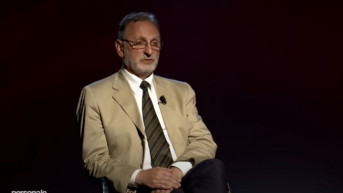
Diplomat Albert Prenkaj, analyzing the new US National Security Strategy signed by President Donald Trump, says that despite the criticisms directed at the old continent, the United States sees Europe as strategically and culturally vital, but he also concludes that Europe has been left to fend for itself in terms of security.
Referring to the words of Kremlin Spokesperson Dmitry Peskov, Prenkaj points out that the Kremlin welcomes Trump's national security strategy as being aligned with the Russian vision.
"In the meantime, negotiations on a potential peace agreement and an end to the war between Ukraine and Russia are underway, while the war between the two countries is still ongoing. Despite the criticisms directed at Europe, the US considers Europe strategically and culturally vital for the United States. Transatlantic trade remains one of the pillars of the global economy and American prosperity. The US is sentimentally connected with Europe, the United Kingdom, and Ireland. The open question in the Strategy remains: the states that will join NATO (and there will be more and more non-European ones) – will they view their place in the world, or their alliance with the United States, in the same way as those who signed the NATO charter. Ready or not, Europe has been left to fend for itself", Prenkaj told Kosovo Online.
He assesses that the European Union has understood the seriousness of Trump's new doctrine on the one hand, as well as the Russian threats from the East, and is clearly preparing to take on responsibility in terms of security.
"Europe will likely need additional resources to create a European defense mechanism and a pan-European defense industry. I think EU member states that are enthusiastic, as well as states that are not members, such as the United Kingdom and Norway, should be involved. In the meantime, the United Kingdom should strive for an ambitious security pact with the EU. Considering the overall picture of the 2025 US Strategy, as well as developments in favor of a new, upcoming world order, and observing events in the Western Balkans region, the question arises: is the region mature enough to consider a new challenge, accept it, and play its role?" Prenkaj emphasizes.
Srbia, he says, is entering strategic negotiations with the US, but has been facing internal tensions for more than a year, tensions that polarize the political and social scene.
"The doctrine or strategy of Serbia, the 'Serbian World', tends toward cultural, economic, and even security oversight of the Western Balkan states. Other Southeast European countries view this doctrine or strategy, the 'Serbian World', as a new regional hegemony that stands in opposition to the 'neo-Ottoman' doctrine. Meanwhile, the chauvinistic behavior of the Serbian government toward Kosovo and Bosnia and Herzegovina calls into question its integration into the EU, as well as the security of the Western Balkans and Europe", the diplomat believes.
Meanwhile, the nearly five-year government of Albin Kurti in Kosovo, he says, implemented measures that resulted in sanctions from the European Union and the suspension of the strategic partnership between the US and Kosovo.
"I believe that after a new government is formed in Kosovo, both countries, Kosovo and Serbia, should return as soon as possible to negotiations that would cover all essential issues of the Brussels Agreement and the Ohrid Annex of 2023, as well as implementation of the Agreement from the Oval Office of the White House. The continuation of the negotiations this time should be crowned with a legally binding agreement with substantial mutual recognition that would guarantee peace and security in Southeast Europe", Prenkaj concludes.



0 comments