
Stanisic: The word Metohija is a Byzantine cultural legacy
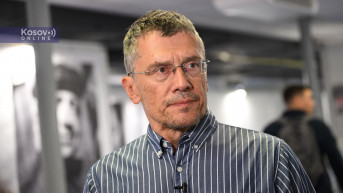
The word Metohija means monastic property; it is a Greek, in fact, a Byzantine cultural legacy. We were part of that culture, and it naturally entered our heritage as such. The reason this word bothers the institutions in Pristina is that the area called Metohija is home to our most precious cultural monuments, Vanja Stanisic, professor at the Faculty of Philology in Belgrade, said for Kosovo Online.
He explains that Metohija is a name with a long history and that it must not be altered.
“It is another matter whether we can put that into practice today, but we will certainly continue to fight to bring it back into use,” Stanisic emphasized, referring to the years-long disapproval of the Pristina authorities regarding the use of the word Metohija.
Professor Stanisic points out that Albanians have a different historical name for the territory of Metohija – the Dukagjin Plain, or Rrafshi i Dukagjinit.
“Dukagjin is a territory on the Albanian side, and it used to be the duchy of Duke Jovan or Gjin Dukagjin. When the term Rrafshi i Dukagjinit appeared, it shouldn’t concern us too much. If someone else has their own name for something, that should not be our problem as long as it does not threaten us. But if it starts to threaten us, then it becomes a different matter,” Stanisic says.
When asked why Albanians feel threatened by the use of the word Metohija, he explains that it is because it is clear that everything in that area is Serbian.
“When we say Metohija, everything is clear. Our most important monasteries are located right along the border with Albania. The fact that they call it differently does not concern us unless someone were to demand that the name Metohija be replaced with Rrafshi i Dukagjinit. That is not possible,” the professor states firmly.
He adds that there are similar examples elsewhere in the world.
“There is the example of Korea and Japan. The sea that is part of the ocean between Korea and Japan is called the Sea of Japan by the Japanese, while Koreans call it the East Sea. All Koreans would rise in protest if anyone demanded that they call it the Sea of Japan,” he says.


0 comments