
Vucic: Reactions over Mladic unsurprising, hostility in the region because Serbia is progressing
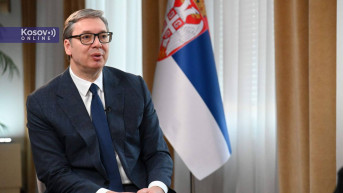
Serbian President Aleksandar Vucic said this evening that reactions from the region over Ratko Mladic’s funeral were unsurprising and that the reason for such hostility was the fact that Serbia was growing and progressing. He stressed that the country would not respond with hysterical reactions, but with rational decisions.
“We have seen a torrent, a hysterical avalanche of attacks from literally everyone in Sarajevo, Pristina, Zagreb and Podgorica. We expected all of this. None of it was particularly surprising, not even the vehemence and intensity of the attacks, the choice of words and the absence of diplomatic language, coupled with decisions contrary to their own interests. We will not rush into that current of hysterical reactions. I remained silent for two days and let them express their hatred, but what is concerning is the fact that Ratko Mladic’s funeral served as an alibi for many in the region who hate Serbia and its success,” Vucic told RTS.
He said that those in the region did not actually know exactly what to hold against Serbia and that many had wanted Mladic to be buried practically out of public view, like Draza Mihailovic. However, he said he was pleased that everything had passed peacefully and safely, even though an enormous number of people had attended.
“But why so much hatred? Because Serbia is progressing and growing faster. That is why many of them participated in the color revolution and supported those carrying it out. They wanted Serbia humiliated. Ratko Mladic was a colonel in the Yugoslav Army, which is a very high rank, and the military acted accordingly. More importantly, we will not respond with hysterical reactions; we will make rational decisions. There will be reciprocal measures, but in due course. We must take care of the 200,000 Bosniaks in Serbia and send them the message that they are our citizens and that they must not feel threatened,” Vucic said.
Commenting on the reaction of Ursula von der Leyen and Antonio Costa, Vucic said that he had nothing to reproach them for because they had always been on Serbia’s side, but added that there was something in their statement that he did not fully understand.
“How can you tell people whose funeral they are allowed to attend? I would have liked them to have considered that more deeply,” the Serbian President added.
He said that it had been stated in the Netherlands that Mladic could not be dressed in uniform on Dutch territory, while, he recalled, Ustasha movement leader Dinko Sakic had been buried in 2008, at his own request, in an Ustasha uniform.
“Not a single statement or announcement was ever issued. Those from Zagreb who lectured us about state involvement... Croatian Parliament Speaker Jandrokovic expressed condolences in November 2017 after Praljak’s anti-Christian suicide. They observed a minute of silence in parliament, after which they adopted a decision declaring the judgments against six Croatian officers in The Hague unjust and unacceptable. When they do not like a judgment, it is unjust and unacceptable, but when they do like it, they want to send Serbia back to first grade. Not to mention the case of Rasim Delic in Bosnia and Herzegovina,” Vucic said.
Everyone, he observed, had been waiting for an opportunity to do something against Serbia.
He pointed out that the previous day had been highly emotional and that a large number of people had attended the funeral.
“There are strong emotions among people because Serbia has been blamed for everything for 35 years. The Serbs were the only ones who did not dismantle Yugoslavia, an internationally recognized legal entity. Serbia was blamed, and then the Serbs were expelled from Croatia. And then they attacked us to take something away from us and fulfill one point, while all of them together deceived us. Dayton—they have been changing it and deceiving us all these years. And then you wonder where the Serbian reaction comes from. This is the first time since Aleksandar Rankovic’s funeral that applause has been heard at someone’s funeral. That foreshadows something I want to prevent—emotions leading to conflict. I do not want a second half here. We need peace. We must calm ourselves down, behave rationally and not allow emotions to prevail,” Vucic explained.
Decision on dissolution of parliament and calling elections tomorrow at noon
Vucic announced that at noon tomorrow he would disclose his decision on dissolving the Serbian Parliament, following a reasoned proposal by the Serbian Government, as well as his decision to call early parliamentary elections.
“I will announce both decisions tomorrow at noon, and the elections will be held on October 25,” Vucic said.
He called on all election participants to try to reach out to the people, understand their needs and concerns, not focus on themselves, and try to refrain from violence.
“Forty-five days will pass, and citizens will have an opportunity to express their will, to say how they see the future and whether or not they want a return to the past. I wish everyone a successful democratic contest. I believe that after the elections we will emerge from the crisis,” President Vucic said.
0 comments