
Dervishi: Decline in birth rate one of the most serious problems facing Albania
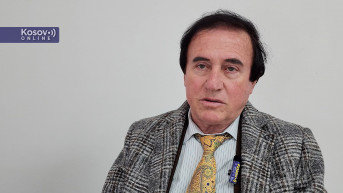
Zihbi Dervishi, a professor at the Faculty of Social Sciences at the University of Tirana, has stated that the decline in the birth rate is one of the most serious issues that Albania is currently facing.
"I have the impression that even the figures provided by the Albanian Institute of Statistics (Instat) are not accurate. The fertility rate in Albania should be lower than what Instat reports, as it has not covered many people who do not live in Albania but are Albanians. The decline in fertility is one of the most serious problems our society is facing," Dervishi told Kosovo Online.
He warns that there are two key factors that, if not changed, could completely alter the demographic landscape of Albania in 50 or 60 years.
The first is the dramatic rate of population emigration, and the second is the indecisiveness of married couples to have children.
"This will bring problems that we as a society will feel in five to six decades," he emphasizes.
He sees the reasons for the declining birth rate primarily in the general uncertainty, especially among the young population who are afraid of having offspring.
"There is no job security and normal life. It is therefore necessary to take steps to make young people, future mothers, and fathers feel more secure. Also, the state needs to invest in a system to insure children and mothers in case of divorce or the death of a spouse. Secondly, it is necessary to create a spirit, an awareness among people that having children is very important for the well-being not only of society but also of mothers. Mothers who have two or more children are healthier, live longer, and avoid a series of diseases," Dervishi emphasizes.
This expert also warns that the decision of young couples to delay having children is no less a problem.
"Young people who plan to leave the country consciously delay marriages and having children, not realizing that the more it is postponed, the greater the risk of having children with physical and mental impairments," Dervishi notes.
He warns that this is a phenomenon associated with young women who believe that such a problem could produce catastrophic consequences for their further life, which is why they decide against having children.
"However, this situation can change and improve if economic and social measures are taken. Here I mean giving priority to employing young people, but also enabling young married couples to acquire apartments owned by municipalities that are not very expensive. Thus, state investment in housing is necessary so that young people are not burdened with financial costs," Dervishi believes.



0 comments