
Possible sanctions from Belgrade to Moscow - strengthening the position in negotiations over Kosovo or a pat on the back?
On the anniversary of the beginning of the war in Ukraine on February 24, the European Union announces a new package of sanctions against Russia, and according to the opinion of the interlocutor of Kosovo Online, if Serbia decided to take a step in this field, it would not a priori change its position in the dialogue with Pristina but Belgrade would strengthen its reputation as a negotiator.
Serbia's policy towards punitive measures against Moscow, despite the pressures during the previous 12 months, was guided exclusively by the protection of its economic and political interests. Those who are pressuring Belgrade to change its course on this matter are the same ones who determine the direction of the talks in the negotiations with Pristina.
Lawyer Milan Antonijevic says for Kosovo Online that everything related to the determination of value according to Russia's aggression can benefit Serbia at every level.
"When you sit down at the negotiating table, your reputation is also at that table. If those who are the mediators trust you; it is a different situation compared to someone who is a capricious negotiator who does not honor what is signed. When Serbia says that Kosovo signed the Brussels agreement, that is a good argument. From the mediator's point of view, it is clear that you are dealing with someone who does not respect the signed agreements. And, that argumentation would be stronger if we also have a determination of value according to the war that Russia started," Antonijevic believes.
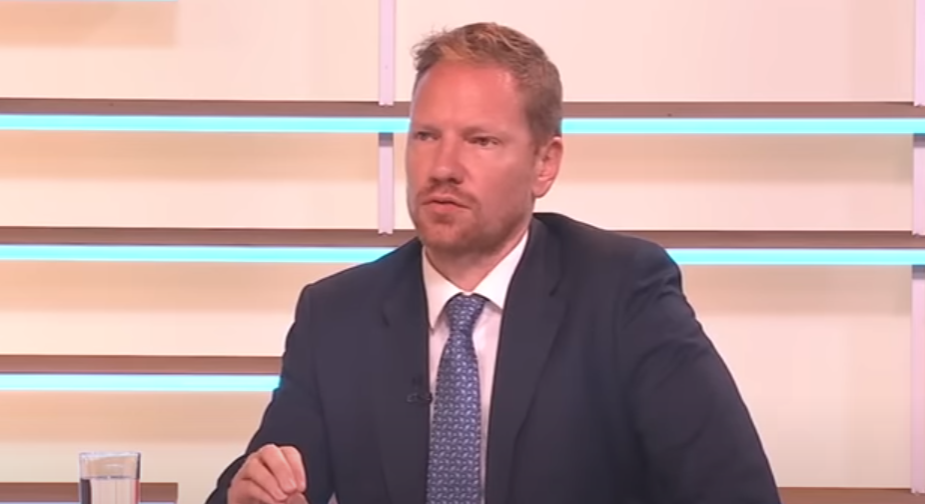
He points out that Kosovo very skilfully abuses Serbia's lack of will to impose sanctions on Russia and that its representatives emphasize this at every possible forum.
"In this way, they are ruining the reputation of Serbia as a negotiator. They make some parallels between Russia and Serbia, which is really inappropriate and does not correspond to the facts at all. In Serbia, at this moment, there is no announcement from anywhere that any military intervention can happen, and Kosovo is abusing that. There is perhaps the most direct connection between sanctions and Serbia's position in the dialogue because by introducing them, they would deny the leadership of Kosovo, which says that the fact that Belgrade did not introduce any level of sanctions against Russia is a valuable indicator that Serbia stands behind the aggressor and that Serbia is the aggressor," our interlocutor says.
According to Antonijevic, the EU's foreign policy regarding sanctions has received the support of all members of the EU, so if, he says, such a community has thought through and made an attempt to stop Russia from conquering a neighboring country and destroying its territorial integrity, Serbia should also be in the group of countries that accepted sanctions.
At the session of the Assembly of Serbia dedicated to Kosovo last week, President Aleksandar Vucic said that Serbia would stick to its decision not to impose sanctions on Russia as long as it did not threaten its vital interests because it preserved its policy, which had to be self-sufficient, libertarian and independent.
"Maybe we will have to introduce sanctions, but while we don’t have to, it is a better choice," Vucic said.
The president of the Center for Foreign Policy, Dragan Djukanovic, says that the dialogue with Pristina and the demands that Serbia impose sanctions on Russia are two processes that are currently running in parallel and are not connected.
"Expectations to introduce sanctions have been going on for almost a year, and on the other hand, the dialogue process, the text of the Franco-German plan, has already progressed in the process of agreement between the two sides and in the mediation of the EU with the support of the US. I would not connect those two things at this moment, nor would Serbia's positive decision on sanctions at this moment a priori change our position in the negotiations with Pristina," Djukanovic assesses.
As he adds, regardless of the outcome of the dialogue, the expectation that Serbia will introduce restrictive measures against the Russian Federation would remain.
Noting that it is difficult to answer hypothetical questions, and speaking about whether Serbia would have done better in the dialogue in the previous period if it had introduced sanctions as soon as the EU members did, Djukanovic says that in such a scenario, Serbia's position on the international level would be certainly different.
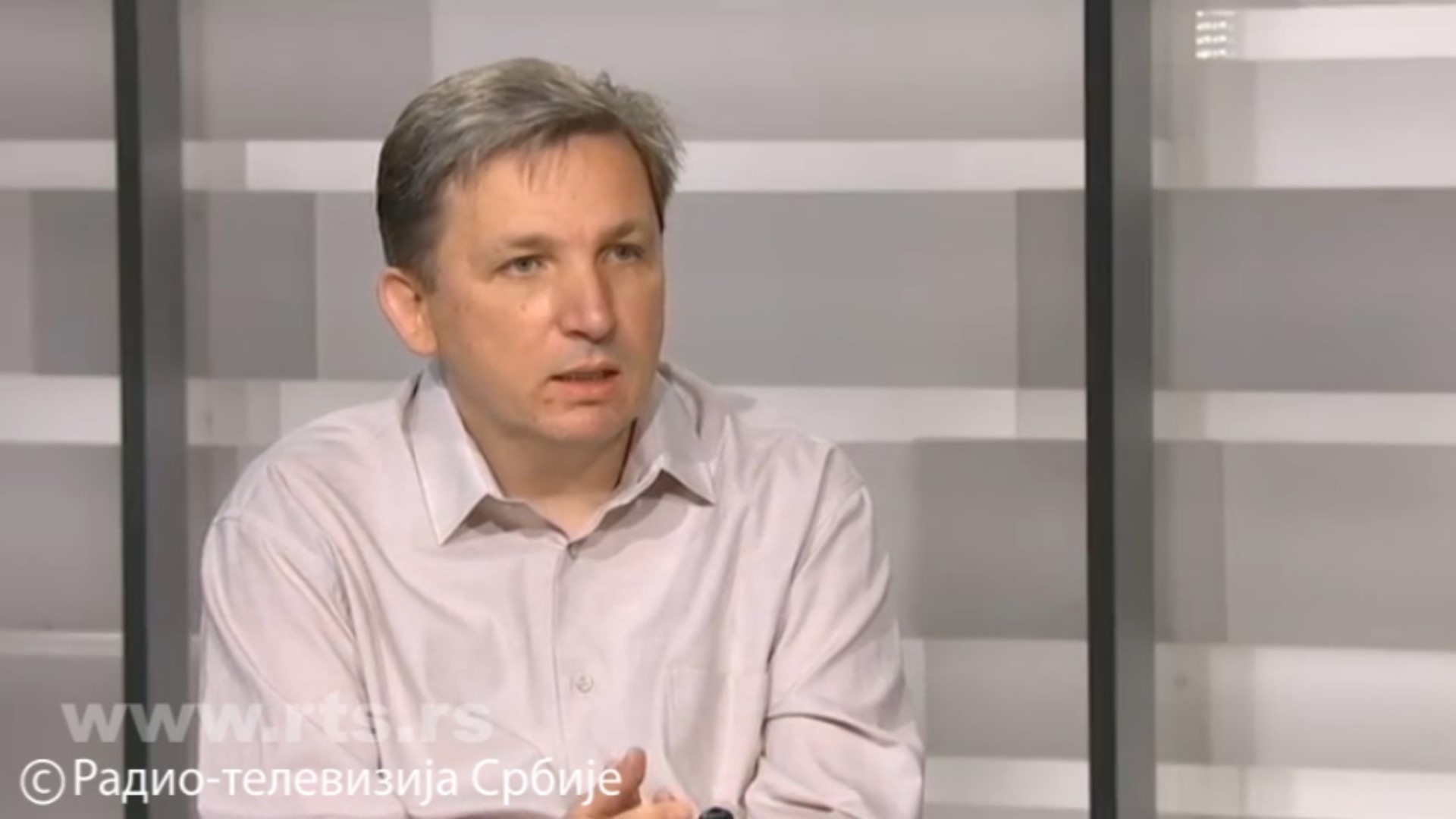
"Serbia's position in the dialogue would be somewhat easier. It would certainly strengthen the country's geostrategic positioning. If you go to the EU, then you know what should be done. Serbia has contractual obligations. You cannot get a high grade for homework that is not written; it is simply impossible," Djukanovic concludes.
The US ambassador in Belgrade, Christopher Hill, said recently that the US understood that Serbia had its own historical experience with sanctions, but that it had begun to "pay too high a price for its restraint on sanctions against Russia". On the other side, the message from Moscow had repeatedly arrived that they understood the pressure from the West that Serbia was under and that they appreciated Belgrade's efforts to withstand that pressure.
0 comments