
Arsovski: Qualified majority voting in the EU would improve Kosovo’s position, but would not automatically mean recognition
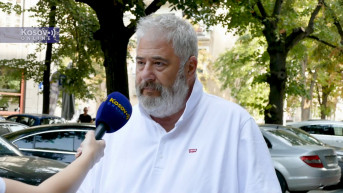
Analyst from Skopje, Petar Arsovski, assessed that the initiative to have certain EU decisions made by qualified majority rather than consensus is primarily focused on accelerating the enlargement process, but could also weaken the protection Belgrade has from the five countries that do not recognize Kosovo, although it would not automatically mean resolving its final status and recognition.
“Some decisions in foreign policy could be made more quickly and through a more efficient process, but not all of them, because the initiative does not apply to all decisions,” Arsovski told Kosovo Online.
He added that the initiative is currently focused on accelerating the enlargement process.
“This means opening clusters, opening individual chapters, and removing some blockages caused by individual vetoes from member states, but it does not change the principle of membership. At the end of the negotiating process, there is also the process of a country joining the European Union, which differs among many EU member states. In some cases, a referendum is even required. So this would speed up an intermediate step, but it would not remove the final obstacle to full membership,” Arsovski said.
Nevertheless, Arsovski believes that removing the full veto, that is, the requirement for full consensus, will weaken Belgrade’s political protection from the five countries that do not recognize Kosovo, but that it does not automatically mean Kosovo’s membership and recognition.
“For example, Spain and Romania are part of the initiative, yet they do not recognize Kosovo. This means that member states are drawing a distinction between their political position on Kosovo and the initiative for easier decision-making. Yes, it will create a better climate and legitimize Kosovo to a certain extent, but it does not mean final recognition or a resolution of its final status. Rather, they will still wait for some kind of negotiations between Belgrade and Pristina,” Arsovski concluded.



0 comments